
Industry News
 11 2026-09
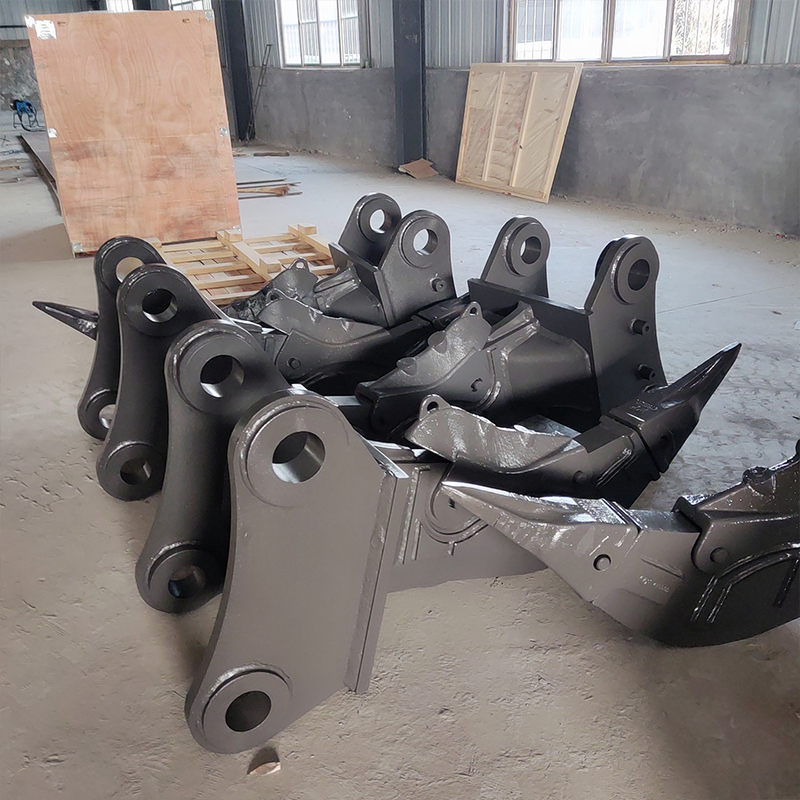
 How Can Excavator Rippers Improve Hard Ground Excavation Efficiency and Project Performance?
Excavator Rippers have become an important excavator attachment for construction, mining, quarrying, road building, land clearing, and other projects involving hard or compacted ground. Designed to break and loosen difficult materials before excavation, Excavator Rippers can help excavators improve penetration, reduce repeated digging operations, and achieve better overall working efficiency.
 08 2026-09
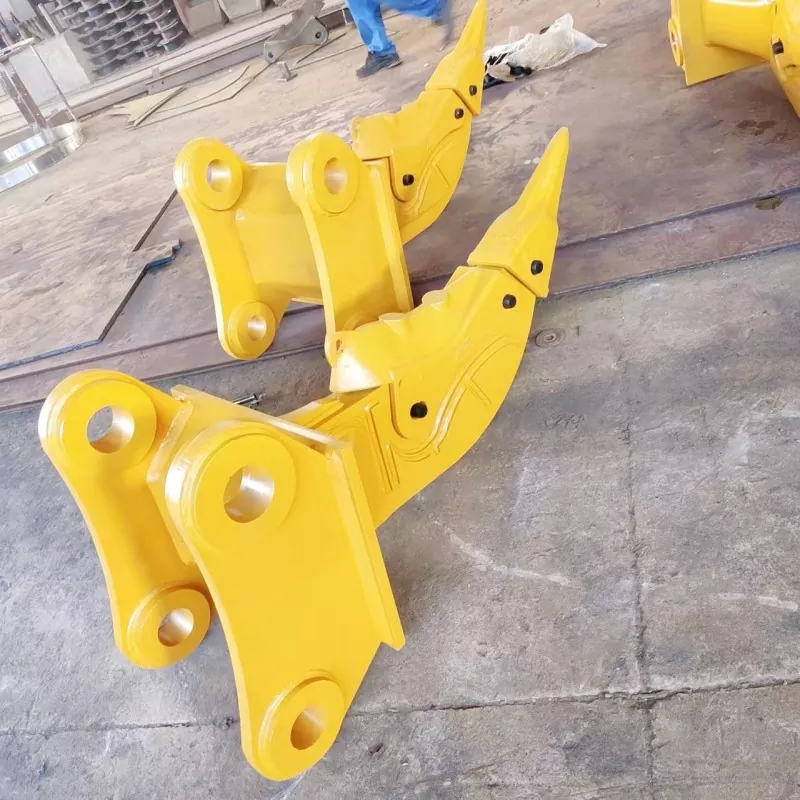
 How Does XINGCHUANG’s Heavy Duty Soil Ripper for Excavators Improve Tough Ground Excavation Efficiency?
With the continuous development of mining, construction, agriculture, and infrastructure projects, the demand for efficient excavation attachments has increased significantly. To help operators handle challenging ground conditions and improve working efficiency, XINGCHUANG has introduced its latest Heavy Duty Soil Ripper for Excavators, providing a reliable solution for breaking hard soil, rocky layers, and compacted ground materials.
 07 2026-09
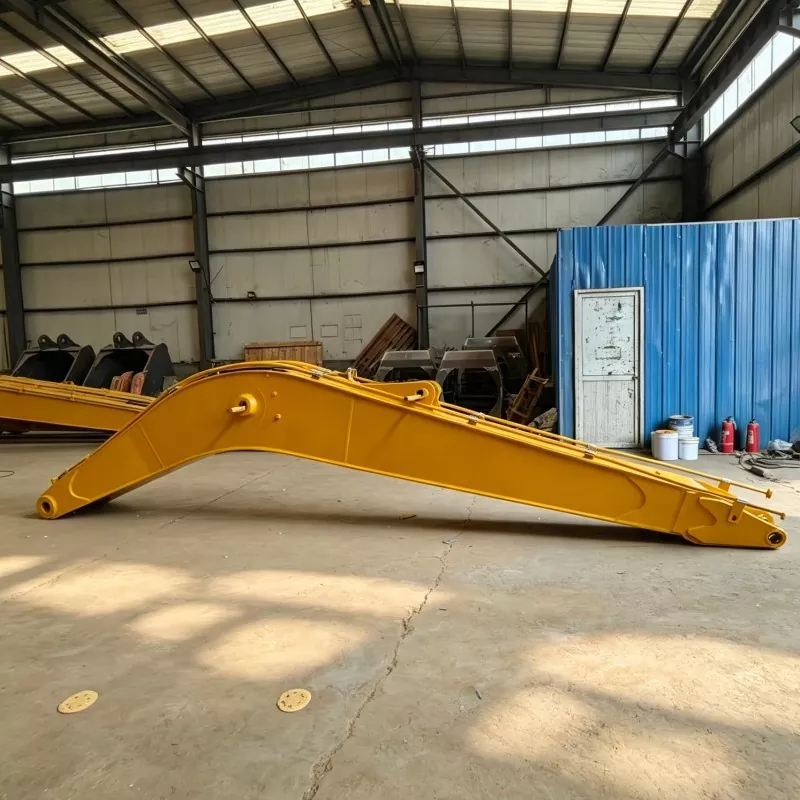
 How Does an Excavator Long Reach Arm Improve Excavation Performance?
An excavator long reach arm can extend digging capabilities far beyond those of a standard boom and arm configuration. From deep excavation and dredging to slope shaping and pond cleaning, the right long reach system helps contractors access difficult areas while keeping the excavator at a safer and more practical working distance.
 31 2026-08
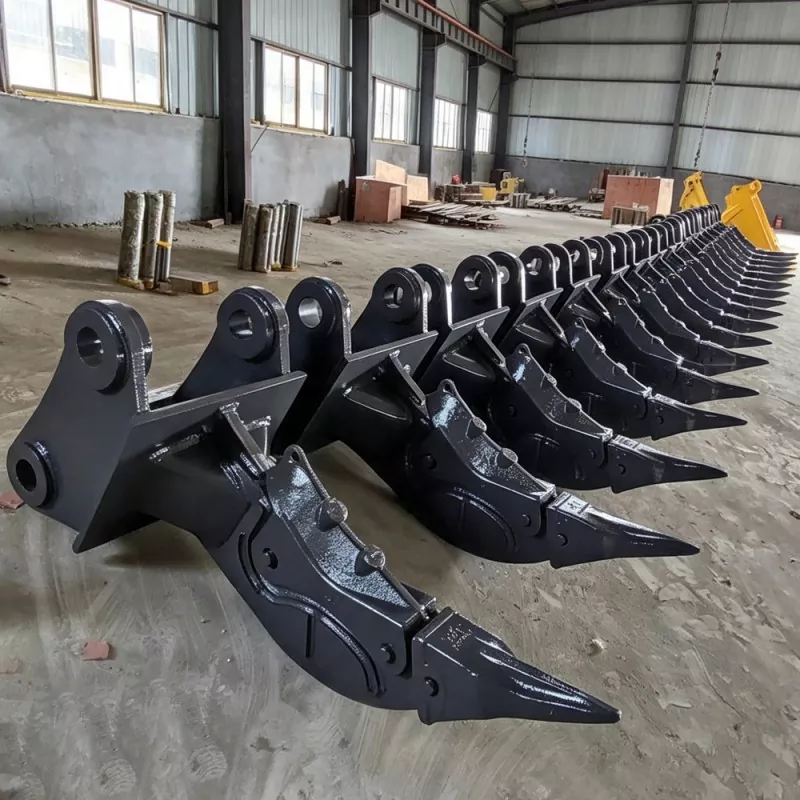
 How Can a Single Shank Rock Ripper Improve Excavation in Hard Ground Conditions?
Excavators are highly versatile machines, but standard buckets can become inefficient when they encounter hard rock, frozen soil, compacted clay, weathered stone, or old road foundations. In these conditions, forcing a bucket directly into the ground can increase digging resistance and reduce working efficiency. A Single Shank Rock Ripper for Excavators concentrates the excavator's hydraulic force through one reinforced shank, helping loosen difficult ground before excavation, loading, or site preparation.
 26 2026-08
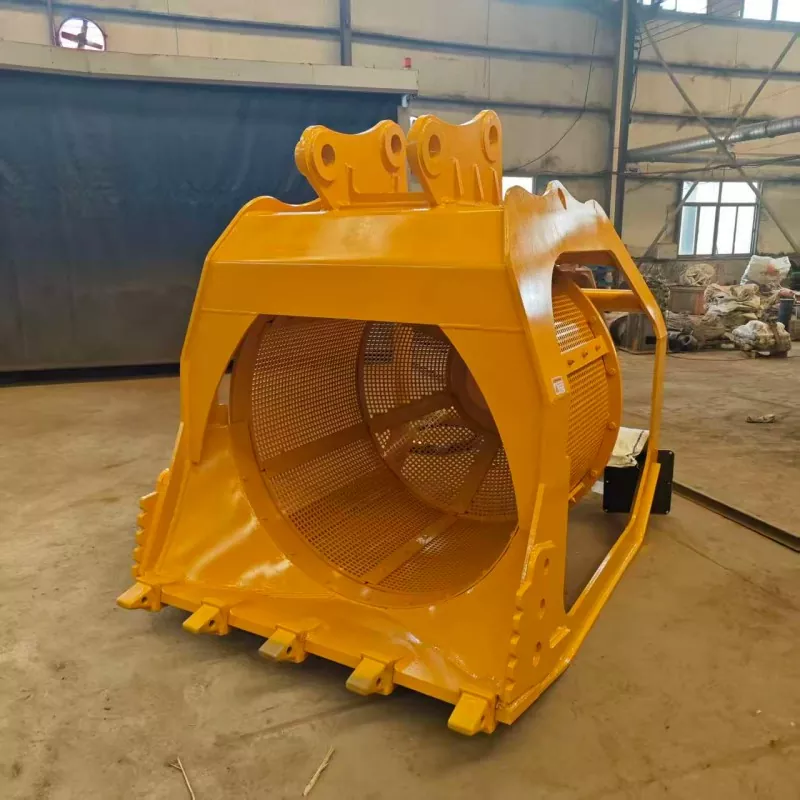
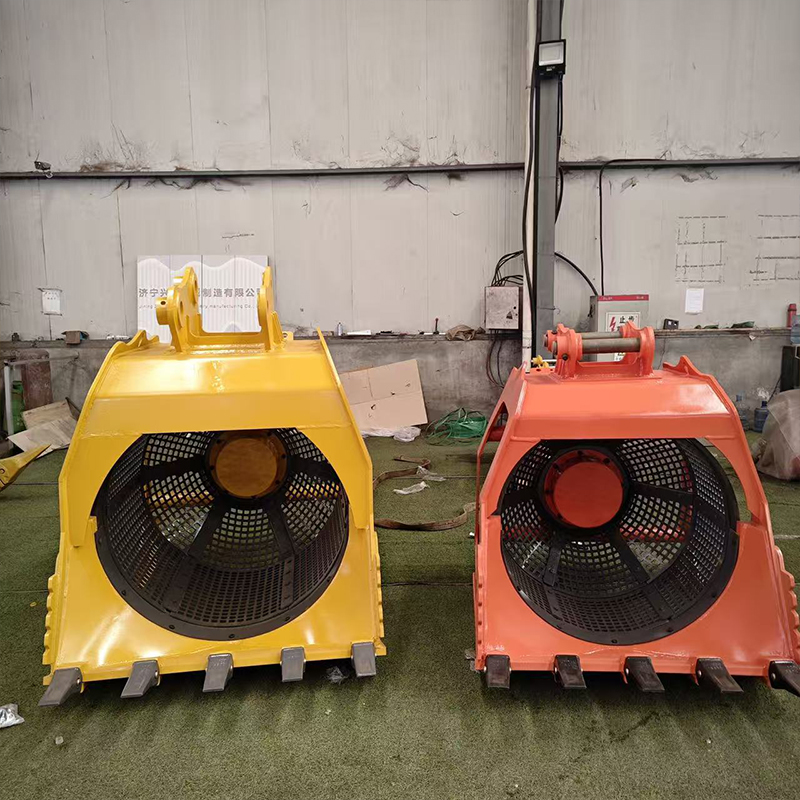
 Why Choose Excavator Rotary Screening Buckets for On-Site Material Screening?
On-site material screening is an important part of many construction, landscaping, recycling, mining, road building, and dredging projects. Traditional screening methods often require materials to be transported to a stationary screening plant, which can increase transportation costs, handling time, and equipment requirements. Excavator Rotary Screening Buckets provide a more flexible solution by allowing excavated materials to be screened directly at the job site.