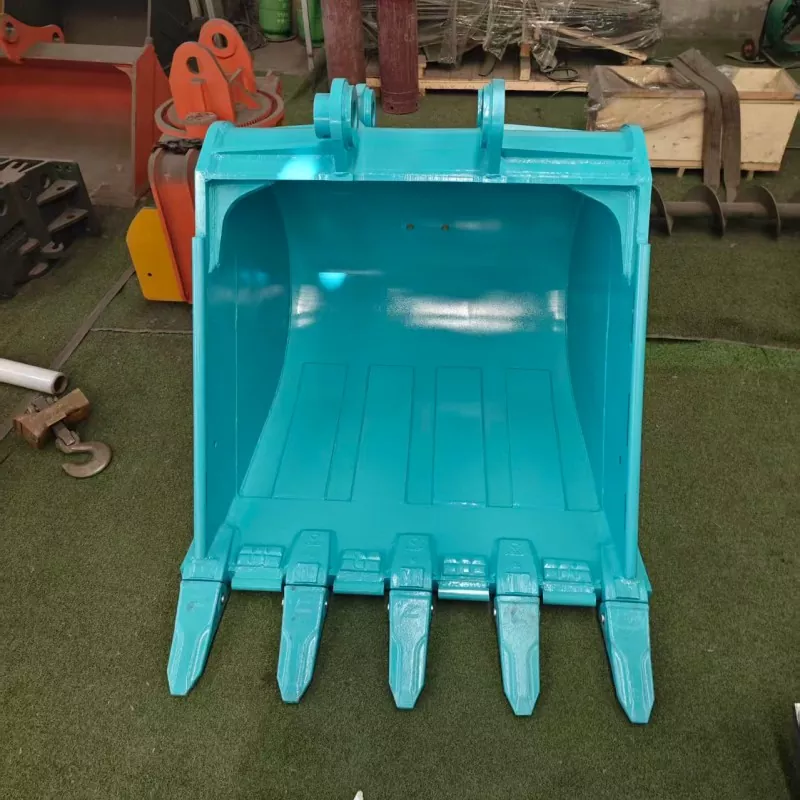
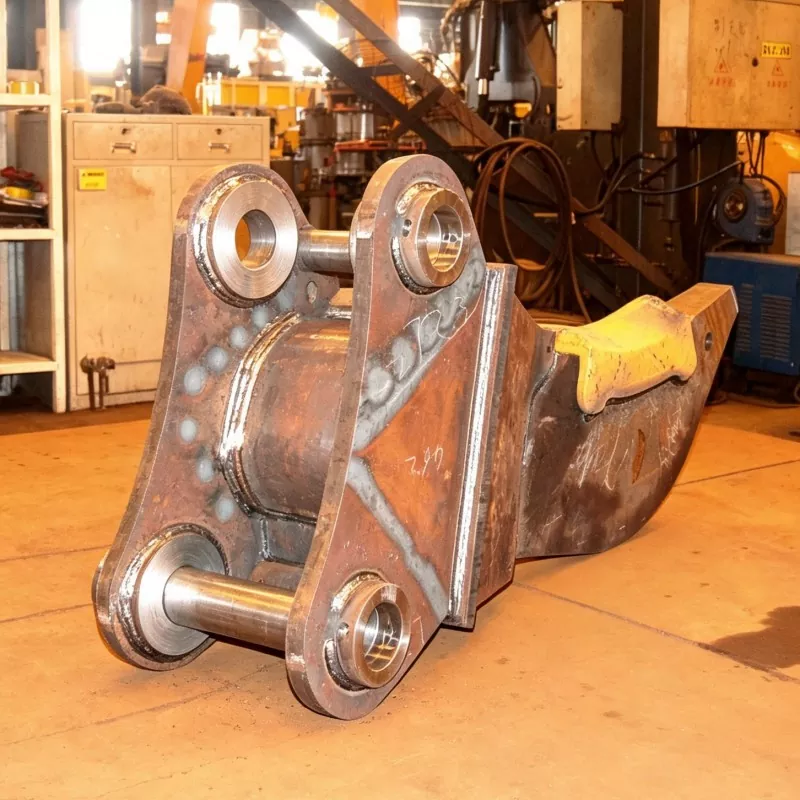
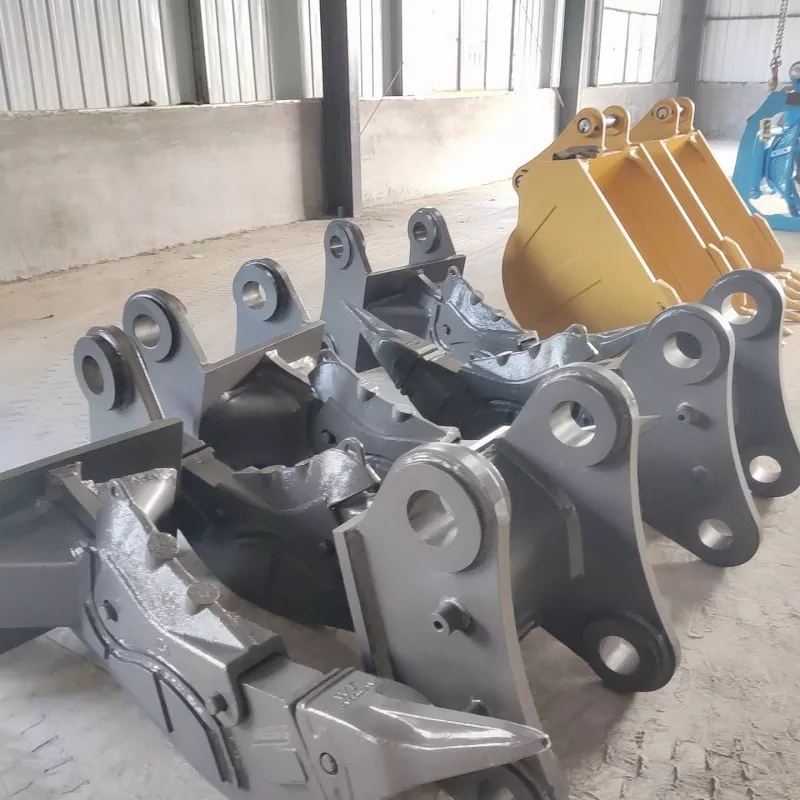
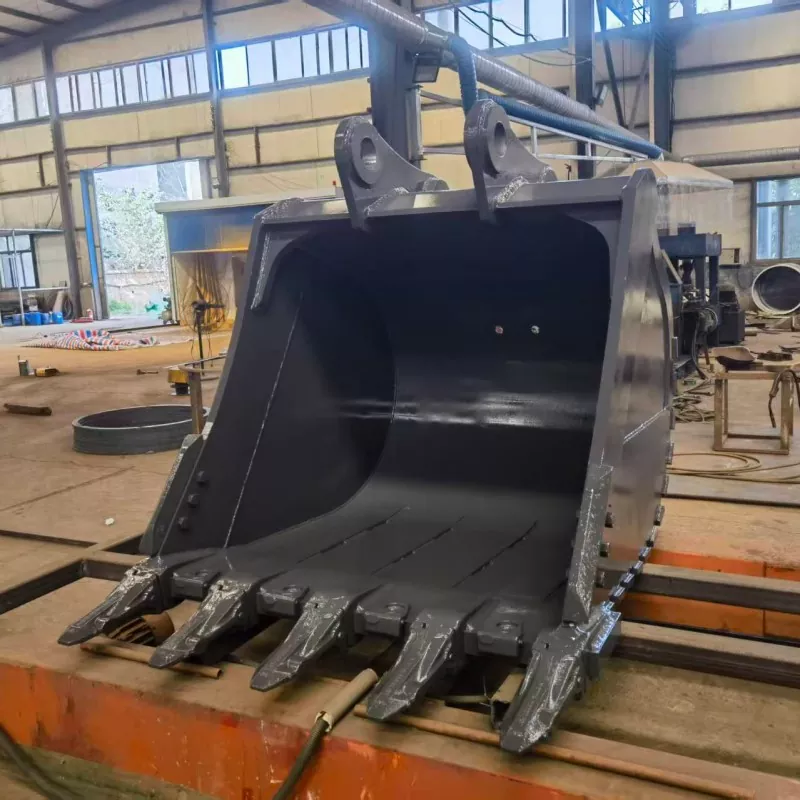
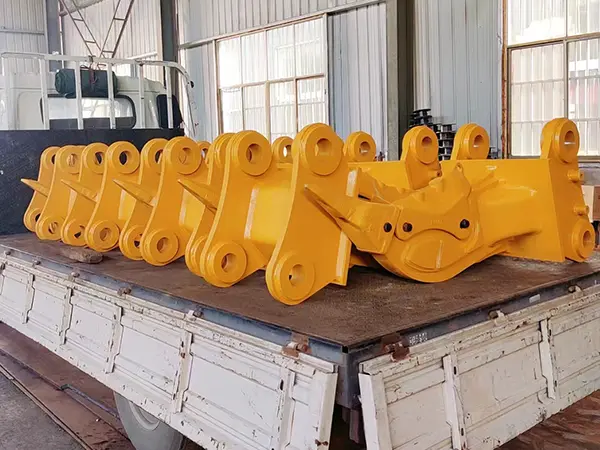
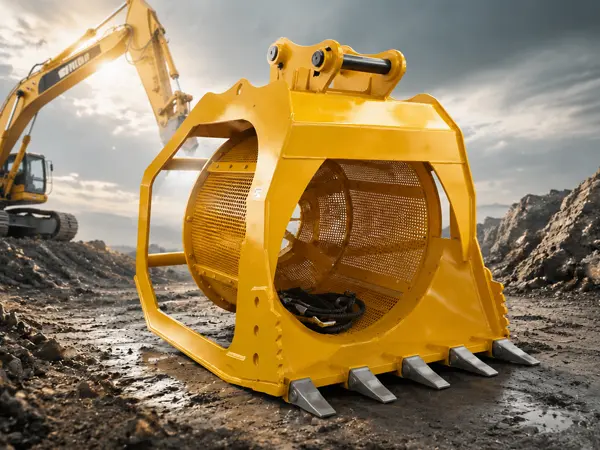
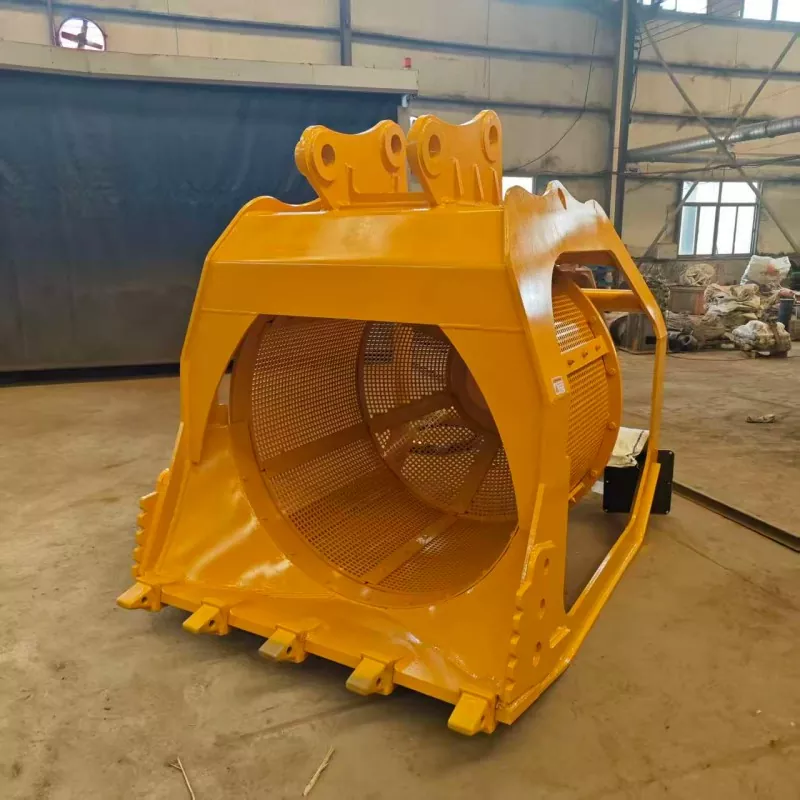
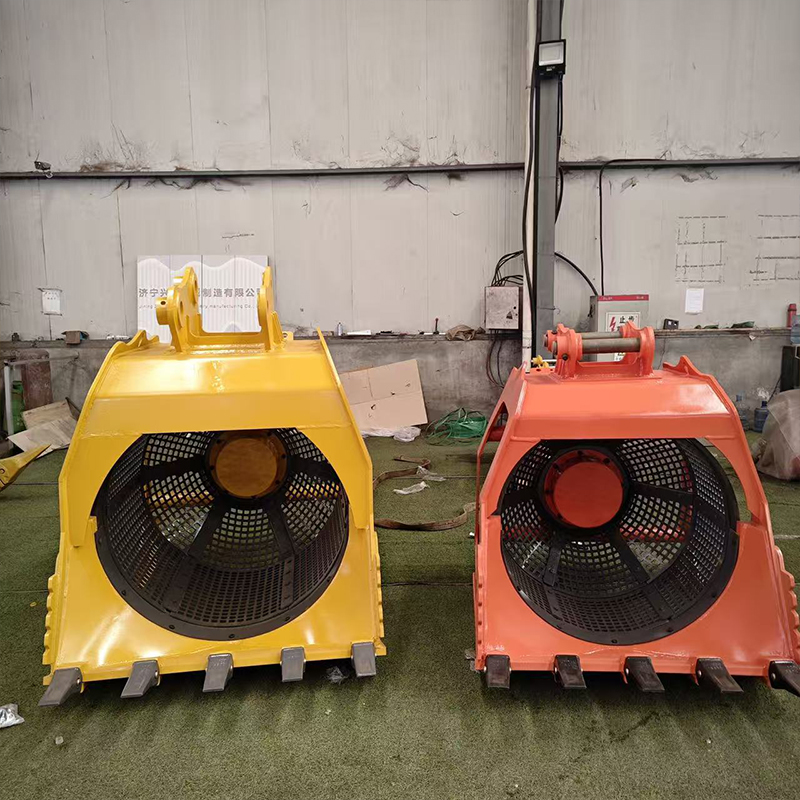
In the fields of engineering construction and material handling, efficiency and cost have always been the core issues. Traditional material screening often requires additional equipment for screening or relies on manual sorting, which is not only time-consuming and labor-intensive but also increases project costs. The emergence of the rotating screening bucket of the excavator is changing this situation - it integrates the screening function directly onto the excavator, allowing the excavator to complete material classification while digging and loading, and the advantages of "one machine for multiple functions" are increasingly prominent.
Working principle: Rotating screening, efficient separation
The rotating screening bucket is usually composed of core components such as the bucket body, hydraulic motor, and screening cylinder (roller). Its working principle is not complicated: The hydraulic motor drives the screening cylinder to rotate at high speed around the axis. After the materials enter the cylinder, they continuously flip and roll under the action of centrifugal force and gravity. Fine particles (the material below the screen) are discharged through the screen holes, while large pieces of materials or impurities (the material above the screen) are discharged from the tail of the cylinder. The entire process is continuous and efficient, significantly shortening the material processing chain.
Application scenario: The "all-rounder" from rivers to mines
The application scenarios of the rotating screening bucket are extremely wide, covering almost all types of projects that require material classification and separation:
River channel management and water conservancy projects: Applicable for gravel screening in waterways, material separation after riverbed dredging, and efficient separation of silt and sand.
Mines and quarries: Used for mineral classification, removal of surface soil and waste rock, significantly reducing transportation and processing costs.
Construction waste and solid waste treatment: On-site screening of the concrete blocks and bricks after demolition is conducted to separate out the reusable aggregates, contributing to the resource utilization of construction waste.
Soil remediation and greening project: Applicable for screening contaminated soil, cleaning beaches, and improving topsoil, etc. It can separate stones, debris and fine soil.
We use cookies to offer you a better browsing experience, analyze site traffic and personalize content. By using this site, you agree to our use of cookies. Privacy Policy