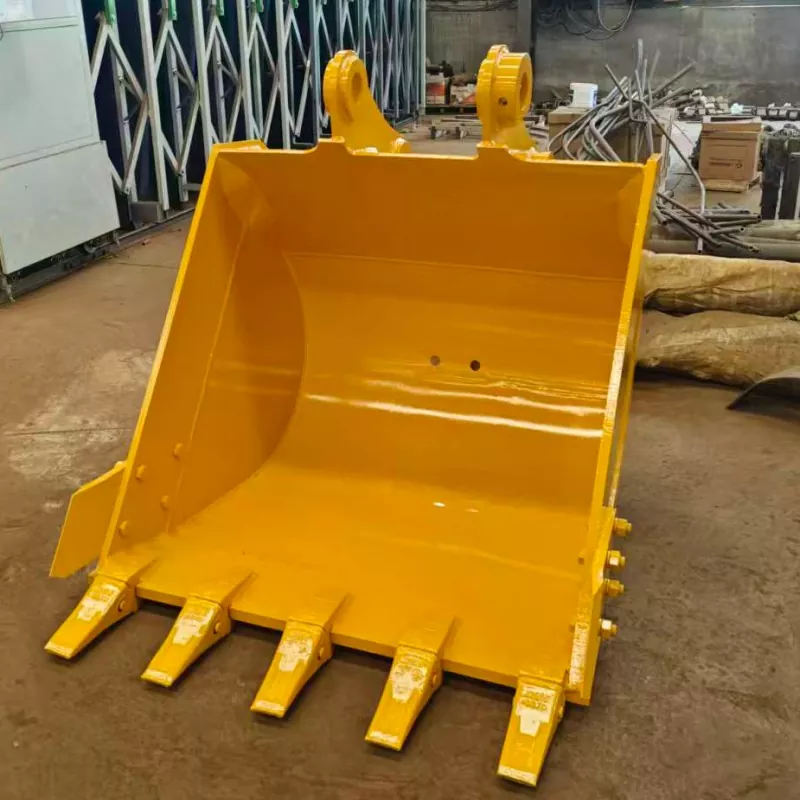
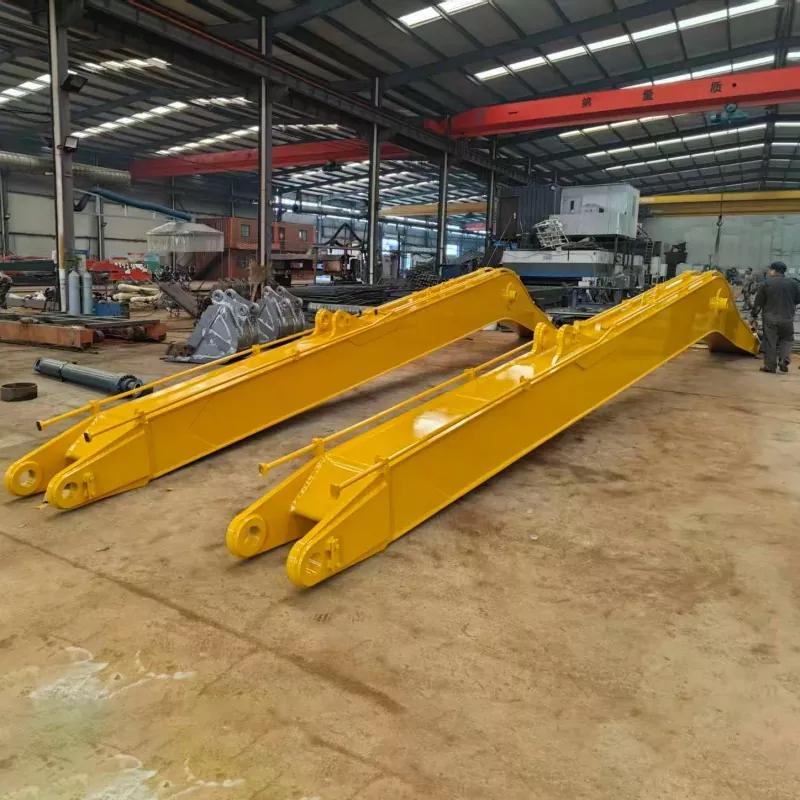
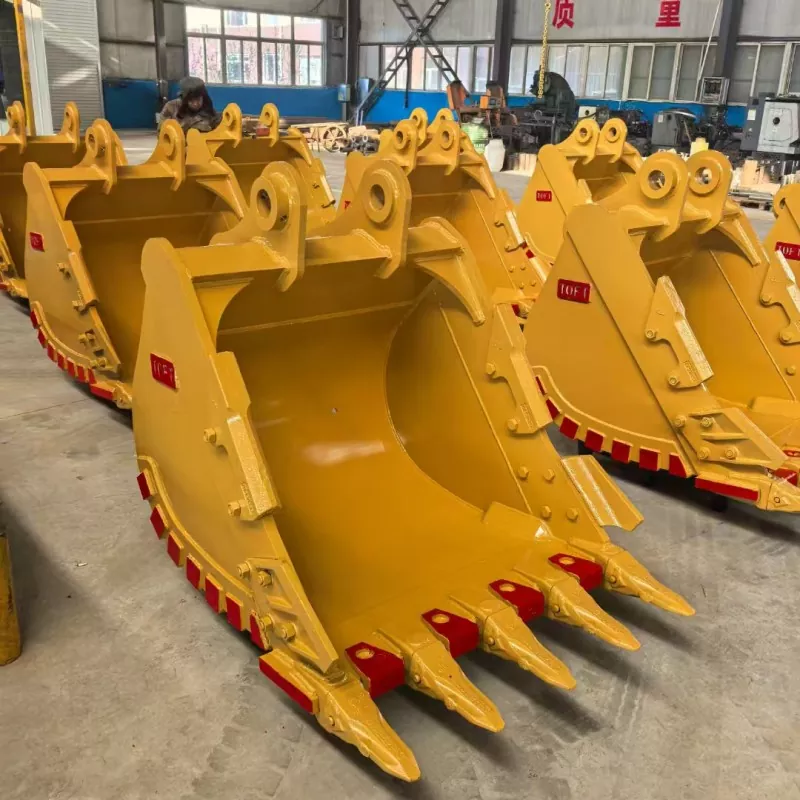
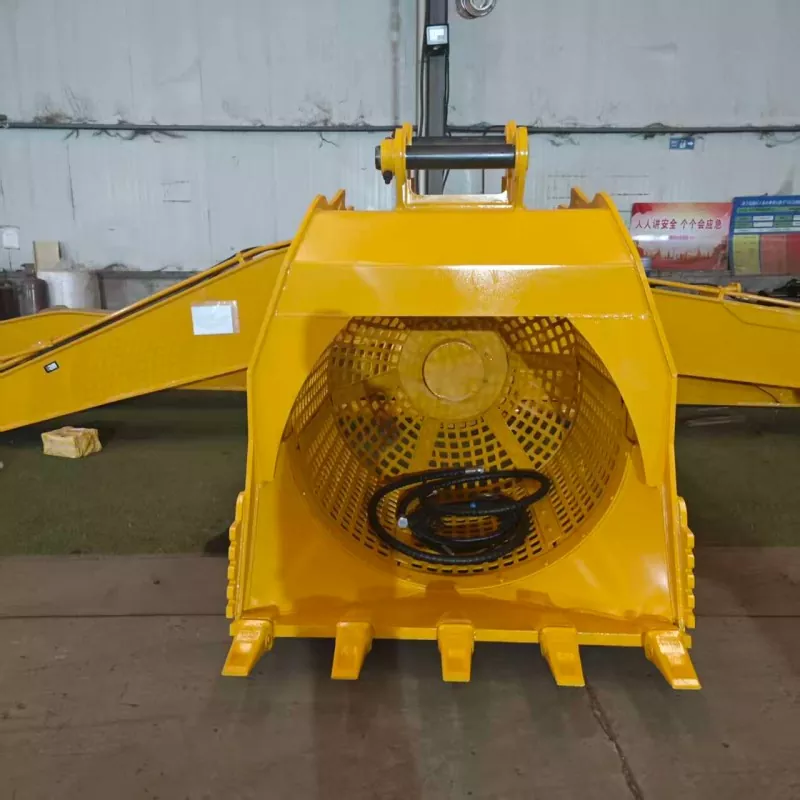
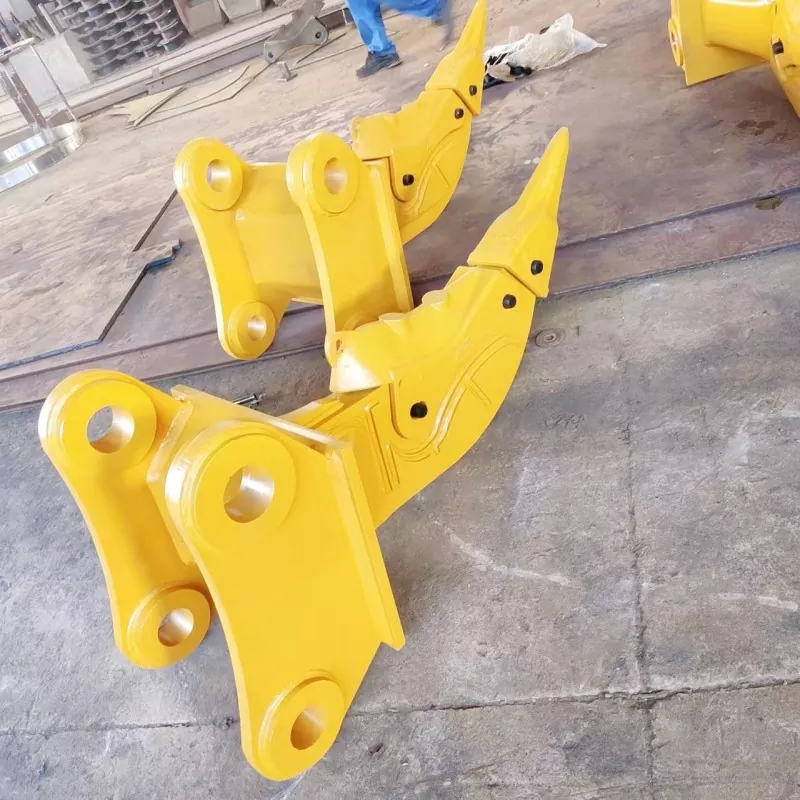
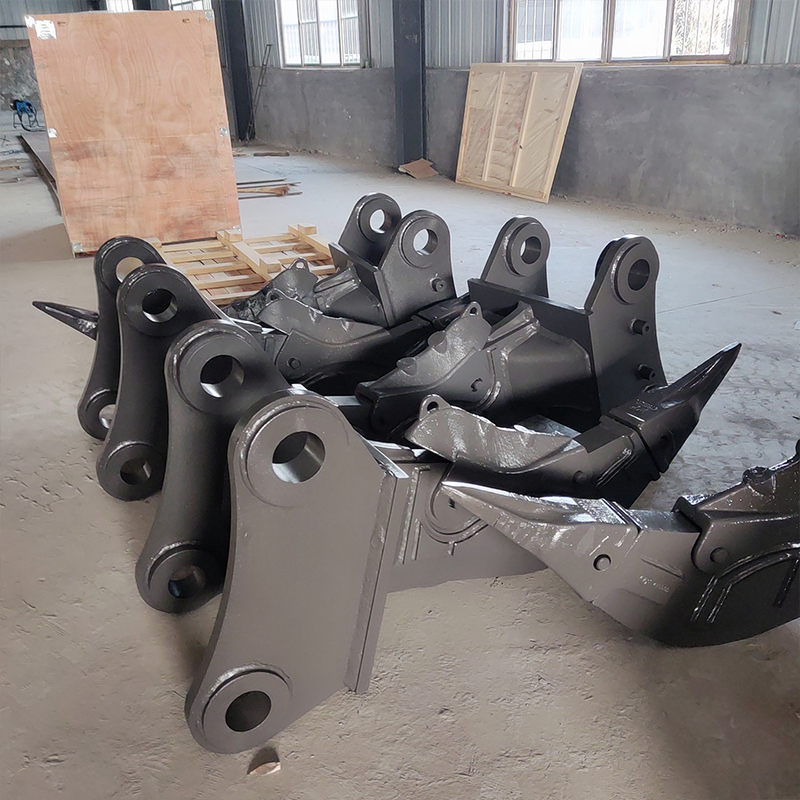
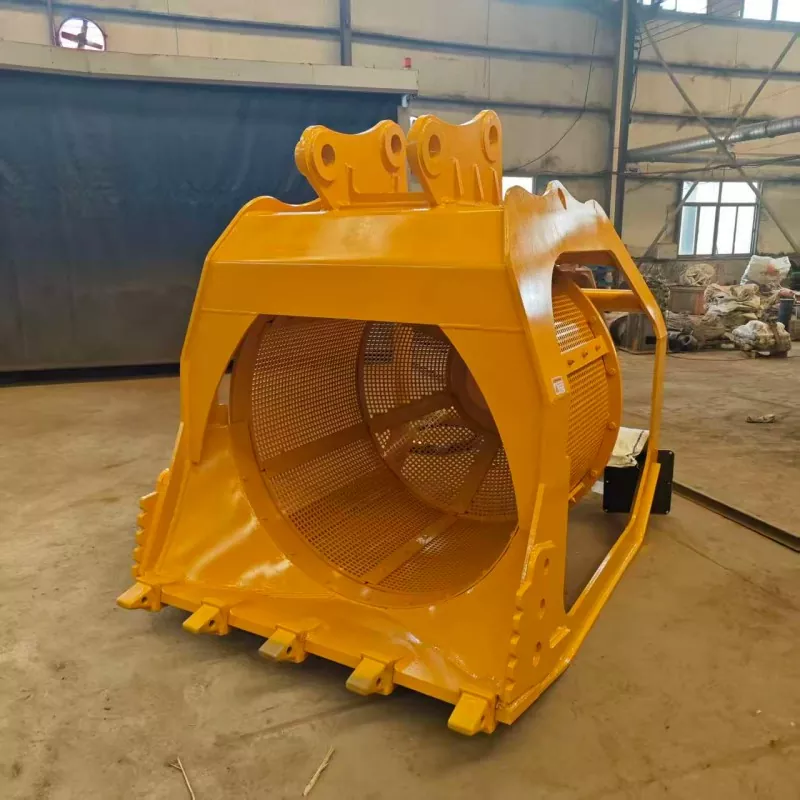
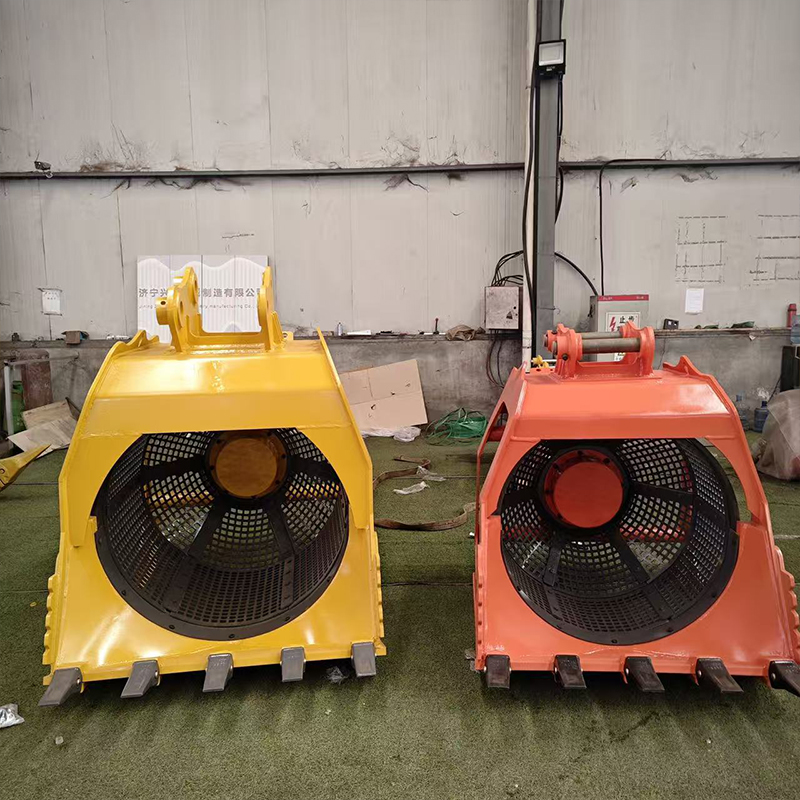
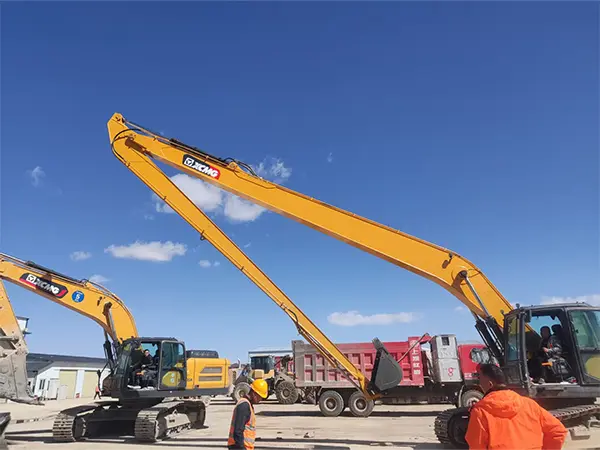
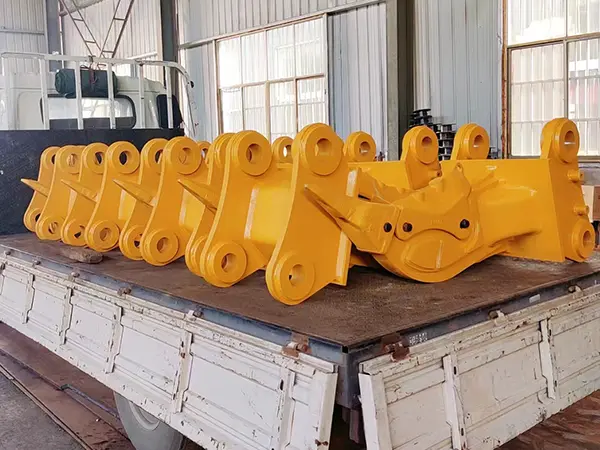
In mining operations, road construction, and infrastructure development, encountering hard soil, weathered rock, and even frozen soil layers is a common occurrence. When facing these "difficult rocks", traditional digging buckets often fall short of the task, while the loosening tool - this eagle-shaped implement installed at the front of the excavator - with its powerful cutting and crushing capabilities, has become the "pioneer" to break through the hard geological formations.
Hardcore strength: Chasing "difficult targets"
The loosening device, also commonly known in the engineering field as the "digging hook", is mainly used to break and loosen hard soil layers, rock layers or road surfaces, creating conditions for subsequent excavation and loading operations. Its working principle does not rely on brute force impact, but instead utilizes the huge traveling power of the excavator and the pressure of the hydraulic cylinders to forcibly press the loosening teeth into the ground and tear and loosen the target objects forward.
Depending on the number of teeth, the cultivators have formed a clear division of labor system:
Single-tooth loosening tool: It is powerful, durable and highly efficient. It has the strongest cutting force and is the "battle-hardened" tool used for loosening rocks, breaking frozen soil and sub-hard rocks.
Double-tooth cultivator: Its power is slightly less than that of a single-tooth cultivator, but it has a wider working range and is often used for loosening crushed stones or hard soil.
Multi-tooth cultivator (tilting plow): It has a wide working range and high efficiency, but it has high resistance and low penetration force. It is more suitable for loosening soft soil or sandy soil.
To withstand intense impacts and wear, high-quality loosening tools are usually made of Q345B manganese steel or imported wear-resistant plates (such as HARDOX). The main body is designed in an arc shape to enhance stability. The key parts, such as the bucket teeth, are made of high-hardness alloy materials and can be quickly replaced after wear.
We use cookies to offer you a better browsing experience, analyze site traffic and personalize content. By using this site, you agree to our use of cookies. Privacy Policy