How Can a Single Shank Rock Ripper Improve Excavation in Hard Ground Conditions?
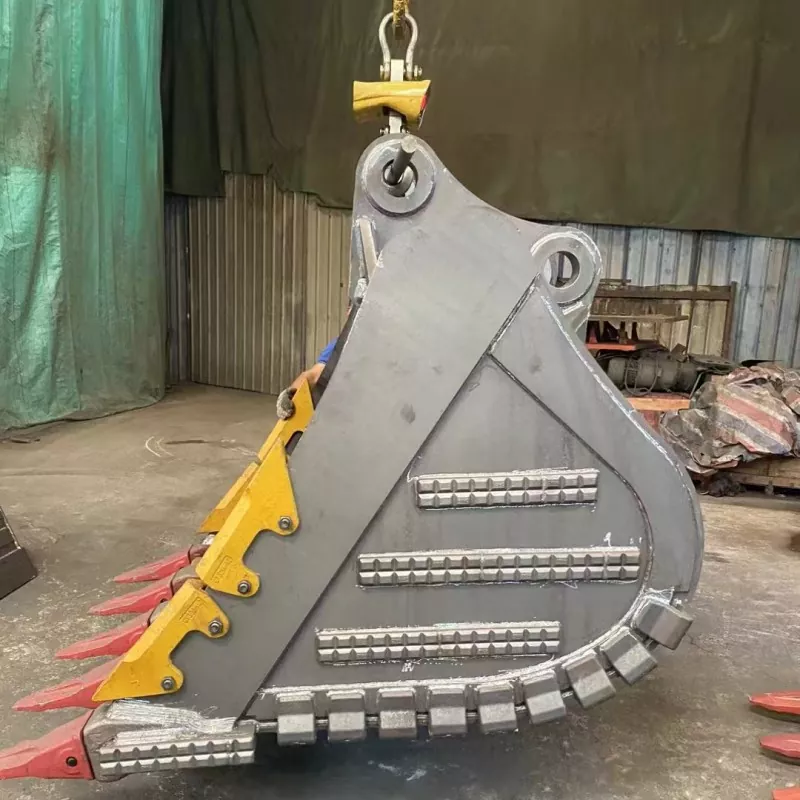
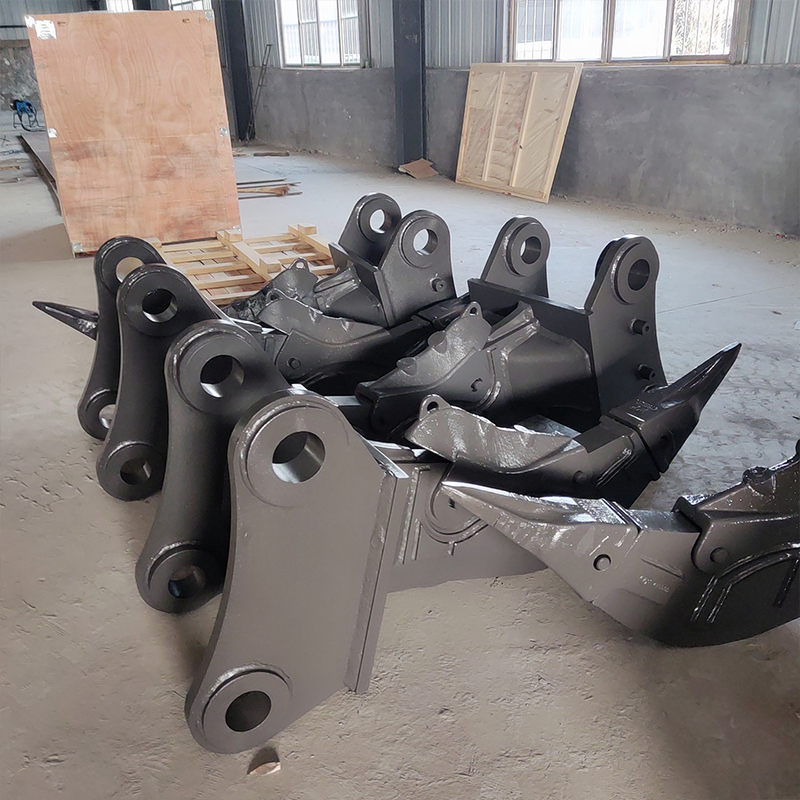
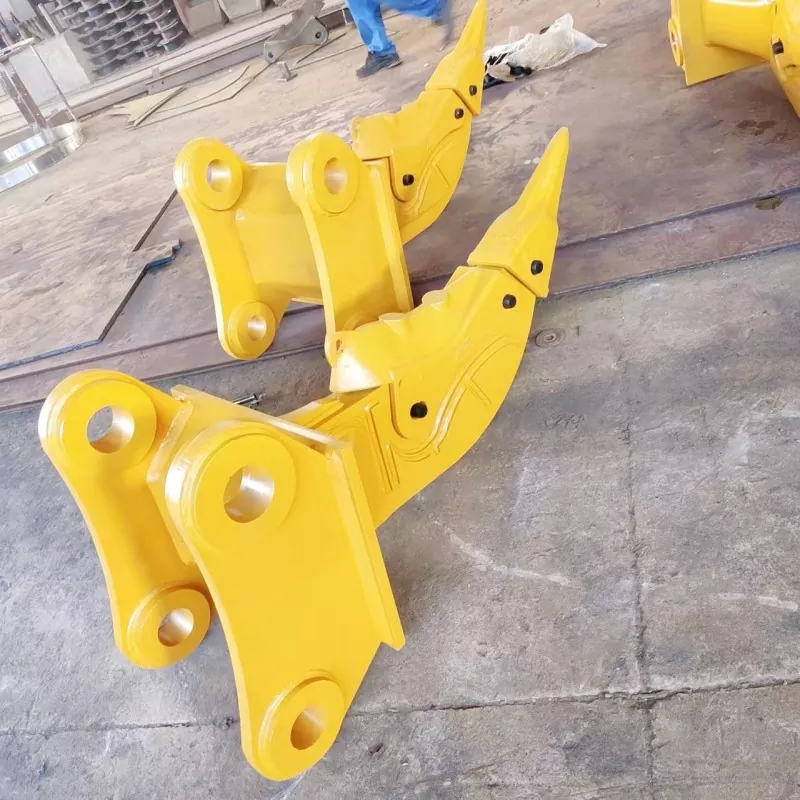
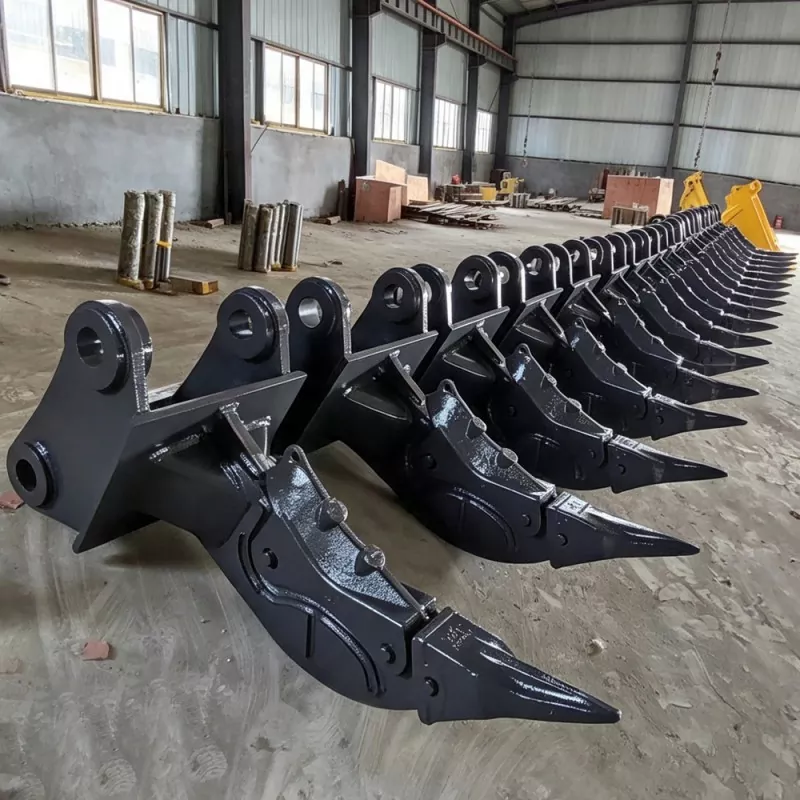
Excavators are highly versatile machines, but standard buckets can become inefficient when they encounter hard rock, frozen soil, compacted clay, weathered stone, or old road foundations. In these conditions, forcing a bucket directly into the ground can increase digging resistance and reduce working efficiency. A Single Shank Rock Ripper for Excavators concentrates the excavator's hydraulic force through one reinforced shank, helping loosen difficult ground before excavation, loading, or site preparation.
This type of attachment is particularly useful when the working material needs to be fractured or loosened before conventional excavation can continue. XINGCHUANG manufactures heavy-duty excavator rippers using wear-resistant steel, heat treatment, and reinforced structural designs for demanding construction, mining, road, and land-clearing applications. The current product range is designed for 20T to 50T excavators, with customized dimensions and interfaces available for different machines and projects.
Why Use a Single Shank Ripper Instead of a Standard Bucket?
Concentrated Penetration Force
A bucket distributes digging force across several teeth and a wider cutting edge. When the ground is extremely compacted or contains hard rock layers, this can make initial penetration difficult.
A single-shank design concentrates the excavator's force at one penetration point. This allows the attachment to work progressively into hard ground and create cracks or loosened sections that can subsequently be excavated with a bucket.
Preparing Ground Before Excavation
The ripper does not necessarily replace a bucket for the complete excavation process. In many applications, it performs the initial loosening operation. Once hard material has been fractured, a conventional bucket can remove the loosened material more efficiently.
This two-stage approach can be useful for contractors working with hard layers that cannot be efficiently excavated directly with a standard bucket.
Reducing Unnecessary Bucket Stress
Using a standard bucket continuously against highly resistant ground can increase mechanical loading on the attachment and excavator. A dedicated ripping attachment provides a tool specifically designed for penetration and loosening, allowing the bucket to be used after the material has been broken up.
Which Ground Conditions Are Suitable?
Weathered Rock
Weathered rock can contain fractured but still highly resistant layers that are difficult to remove efficiently with ordinary excavation teeth. A single shank can penetrate selected sections and progressively loosen the material before removal.
Frozen Ground
Frozen soil becomes significantly harder during low-temperature conditions. Excavation projects in cold regions may therefore require additional ground-breaking equipment before normal earthmoving operations can begin.
The XINGCHUANG ripper has been used in a Kenya road infrastructure project involving difficult frozen soil and hard roadbed conditions. For that 40-ton excavator application, XINGCHUANG developed an extended and thickened customized ripper and optimized the tooth-tip angle to improve penetration and loosening performance.
Compacted Clay
Heavily compacted clay can resist normal bucket penetration, particularly when it has dried or been compressed by repeated equipment traffic. Ripping can break the compacted layer into smaller sections before the excavator switches back to conventional digging.
Gravel and Hard Subsoil
Dense gravel layers and hard subsoil can also require pre-loosening before trenching, land preparation, or foundation excavation. The single-shank configuration can target particularly resistant sections without requiring the entire working area to be mechanically processed at once.
Where Is a Rock Ripper Commonly Used?
Mining Operations
Mining projects frequently encounter rock, overburden, compacted geological layers, and other materials that require preliminary loosening. A heavy-duty ripper can be used to prepare material for subsequent excavation and loading operations.
Road Construction
Road construction and renovation projects may require the removal or loosening of old roadbeds, hard subgrade, compacted soil, and weathered material. Ripping can be performed before excavation or grading to make the subsequent earthmoving process more manageable.
Quarry Work
In quarry environments, hard rock may need to be loosened before it can be excavated or moved. A reinforced ripper provides a targeted penetration tool for selected rock layers and difficult areas.
Land Clearing
Land preparation can involve compacted soil, buried roots, stones, and other obstacles. A single-shank attachment can be used to loosen difficult ground and assist subsequent clearing and grading work.
Municipal Engineering
Urban construction and municipal projects may involve old pavement, compacted foundations, hard soil, and other buried obstacles. A ripper can provide an additional preparation step before conventional excavation equipment is used.
How Does Excavator Tonnage Affect Ripper Selection?
The ripper must be matched to the excavator rather than selected only according to the required working depth. The excavator's operating weight, hydraulic force, mounting dimensions, and working conditions all affect the suitable attachment configuration.
| Excavator Class | Example XINGCHUANG Configuration | Typical Consideration |
|---|---|---|
| 20T | Compatible configuration available | Medium-duty excavation and ground loosening |
| 25T | Compatible configuration available | Hard soil and construction applications |
| 30T | Compatible configuration available | Heavy earthwork and difficult ground |
| 35T | Compatible configuration available | Road and infrastructure projects |
| 40T | Customized configurations available | Heavy-duty rock and frozen-ground applications |
| 50T | Compatible configuration available | High-load mining and excavation work |
XINGCHUANG's listed product range covers 20T, 25T, 30T, 35T, 40T, and 50T excavators. Actual attachment selection should be confirmed against the specific excavator model, mounting interface, hydraulic characteristics, and geological conditions.
What Materials Are Used for Heavy-Duty Rippers?
Wear-Resistant Steel
The ripper's shank is continuously exposed to abrasion and impact. XINGCHUANG uses wear-resistant steel options including NM400 and NM450, with HARDOX available as an optional material according to project requirements.
Heat-Treated Structure
Heat treatment can improve the mechanical properties of the steel and help the attachment withstand repeated loading. XINGCHUANG's manufacturing process includes heat treatment together with CNC cutting and welding processes for its ripper products.
Replaceable Tooth Sleeve
The detachable thickened wear-resistant tooth sleeve provides a replaceable wear component. Instead of replacing the complete ripper when the working tooth area wears, the wear component can be maintained or replaced according to the product design and actual condition.
What Specifications Should Buyers Check?
| Parameter | XINGCHUANG Specification |
|---|---|
| Applicable Excavator Tonnage | 20T / 25T / 30T / 35T / 40T / 50T |
| Main Material | NM400 / NM450 / HARDOX optional |
| Steel Hardness | HRC58-62 |
| Processing Technology | Integral Forging + Quenching & Tempering Hardening |
| Tooth Sleeve | Detachable Thickened Wear-Resistant Tooth Sleeve |
| Working Depth | 800–1200 mm, customizable |
| Product Weight | 380–850 kg depending on excavator tonnage |
| Interface | Standard Pin Shaft / Custom Interface |
| Supply | Stock / Customization / Batch OEM |
These are the product specifications currently listed by XINGCHUANG. Final configuration should be confirmed according to the excavator model and project requirements.
Why Does the Tooth Angle Matter?
Improving Initial Penetration
The geometry of the tooth tip determines how force is transferred into the ground. A properly selected angle can help the shank penetrate resistant material instead of simply pushing against the surface.
Adapting to Different Ground Conditions
Frozen soil, weathered rock, compacted clay, and road foundations do not behave in exactly the same way. For customized projects, tooth geometry can therefore be adjusted according to the expected working material and excavation requirements.
Reducing Unnecessary Resistance
An optimized tooth profile can help concentrate force where penetration is required. This can make the initial breaking operation more controlled and reduce unnecessary resistance during ripping.
How Was the XINGCHUANG Ripper Applied in Kenya?
Project Challenge
A customer working on a Kenya road infrastructure project needed to excavate frozen soil and break hard roadbed material. Conventional attachments were experiencing difficulty achieving sufficient penetration, which affected ground preparation and roadbed renovation efficiency.
Customized 40T Solution
XINGCHUANG evaluated the customer's 40-ton excavator and local geological conditions before developing an extended and thickened ripper attachment. The tooth-tip angle was also specially optimized for the frozen-soil application.
Result in Continuous Heavy-Duty Operation
The customized attachment adapted to the project's difficult ground conditions and helped address frozen-soil breaking and roadbed renovation requirements. According to the customer case, the reinforced structure provided improved stability and durability during continuous heavy-load operation.
What Should Be Confirmed Before Ordering?
Excavator Model
Buyers should provide the exact excavator brand and model rather than only stating the approximate machine tonnage. Different machines within the same tonnage class can have different mounting dimensions and operating characteristics.
Working Material
The supplier should know whether the attachment will be used on hard rock, weathered rock, frozen soil, compacted clay, gravel, old pavement, or another material. This information affects the structural and tooth configuration.
Required Working Depth
Working depth should be defined before selecting the shank length. XINGCHUANG lists a standard working depth range of 800–1200 mm with customization available.
Mounting Interface
The connection dimensions between the excavator arm and ripper must be confirmed. Standard pin-shaft or customized interfaces can be considered depending on the machine and project requirements.
Expected Working Intensity
Mining and quarry operations can subject the attachment to considerably higher impact and abrasion than occasional site preparation. Buyers should therefore specify the expected operating intensity when selecting steel grade, reinforcement, and tooth configuration.
How Should a Rock Ripper Be Maintained?
Inspect the Tooth Tip
The tooth tip is the first component to encounter the working material and should be checked regularly for excessive wear, deformation, or damage. A worn tooth can affect penetration performance and increase resistance.
Check the Shank
The main shank should be inspected for cracks, deformation, excessive wear, and other signs of abnormal loading. Heavy-duty applications require more frequent inspection because repeated impact can accelerate structural fatigue.
Inspect the Mounting Connection
Pins, brackets, and connection components should be checked regularly. Excessive clearance or abnormal wear at the mounting interface can affect attachment stability and should be corrected before continued heavy-duty operation.
Replace Wear Components When Required
Replaceable tooth components should be maintained according to their actual wear condition. Timely replacement can help preserve penetration performance and reduce unnecessary stress on the main shank.
How Can XINGCHUANG Support Customized Ripper Projects?
Machine-Specific Design
XINGCHUANG can customize ripper dimensions and connection interfaces according to the excavator model and customer requirements. This is particularly useful when the project involves non-standard mounting dimensions or special working depths.
Application-Based Engineering
For demanding projects, buyers can provide information about excavator tonnage, geological conditions, working depth, material hardness, and expected operating intensity. XINGCHUANG can then evaluate the appropriate shank structure, tooth configuration, and material selection.
OEM and Batch Supply
The Single Shank Rock Ripper for Excavators is available for stock supply, customized orders, and batch OEM projects. This allows distributors, construction equipment suppliers, contractors, and mining customers to select a configuration based on their specific market or project requirements.
Related News
- How Can Excavator Rippers Improve Hard Ground Excavation Efficiency and Project Performance?
- How Does XINGCHUANG’s Heavy Duty Soil Ripper for Excavators Improve Tough Ground Excavation Efficiency?
- How Does an Excavator Long Reach Arm Improve Excavation Performance?
- Why Choose Excavator Rotary Screening Buckets for On-Site Material Screening?
- How Can Long Reach Excavator Boom and Arm Improve Excavation Efficiency and Project Performance?
- The "pioneer" who broke through the hard rock and frozen soil
Leave me a message