How Can Excavator Rippers Improve Hard Ground Excavation Efficiency and Project Performance?
Excavator Rippers have become an important excavator attachment for construction, mining, quarrying, road building, land clearing, and other projects involving hard or compacted ground. Designed to break and loosen difficult materials before excavation, Excavator Rippers can help excavators improve penetration, reduce repeated digging operations, and achieve better overall working efficiency.
When standard excavator buckets have difficulty penetrating frozen soil, compacted ground, weathered rock, or hard soil layers, a suitable ripper attachment can provide a more efficient solution. This article explains what Excavator Rippers are, their main advantages, common applications, selection factors, and how they can improve project performance.
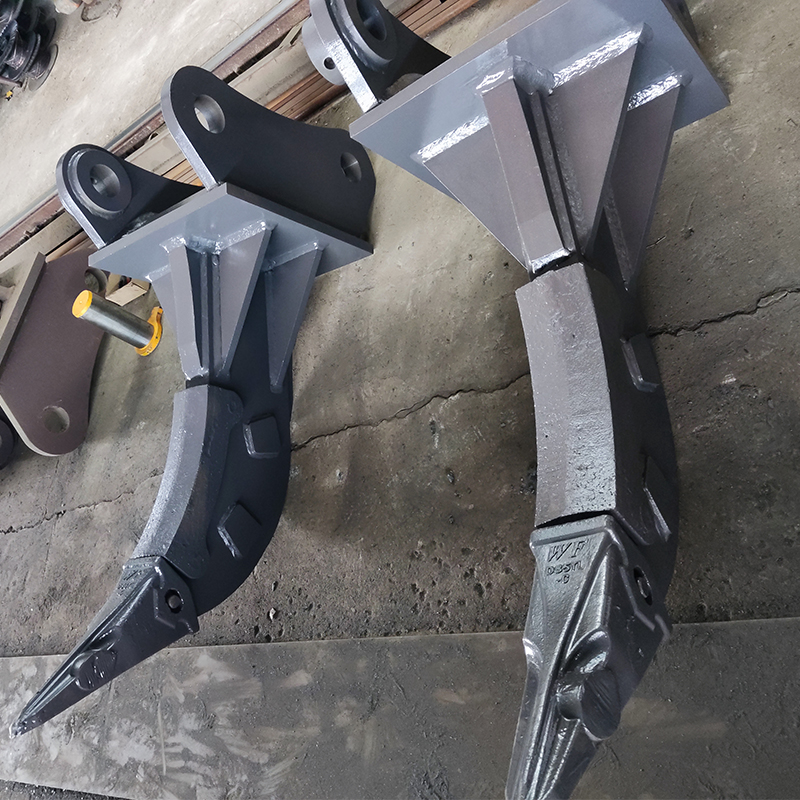
What Are Excavator Rippers?
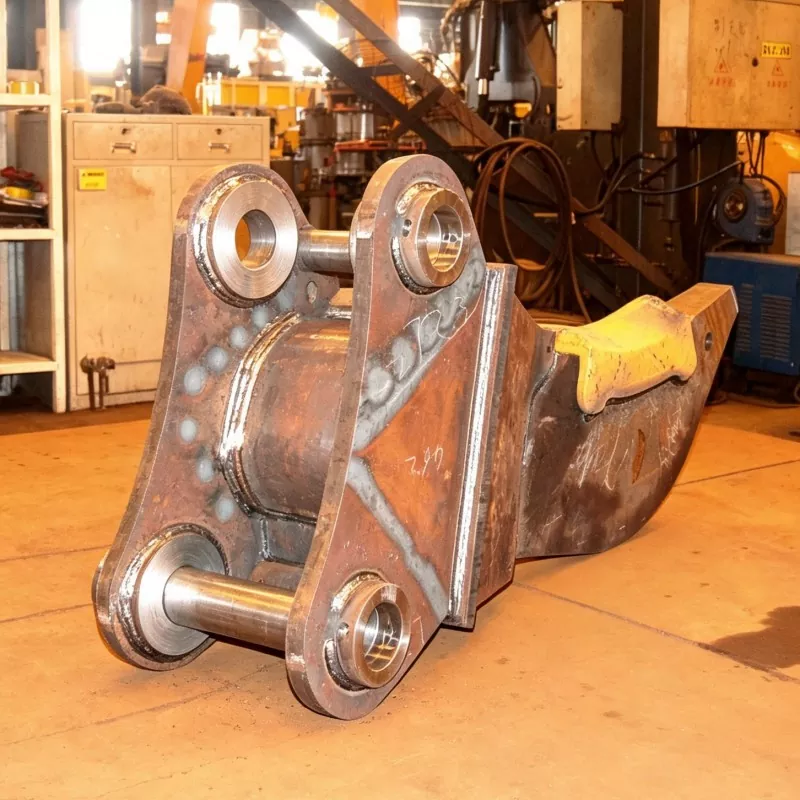
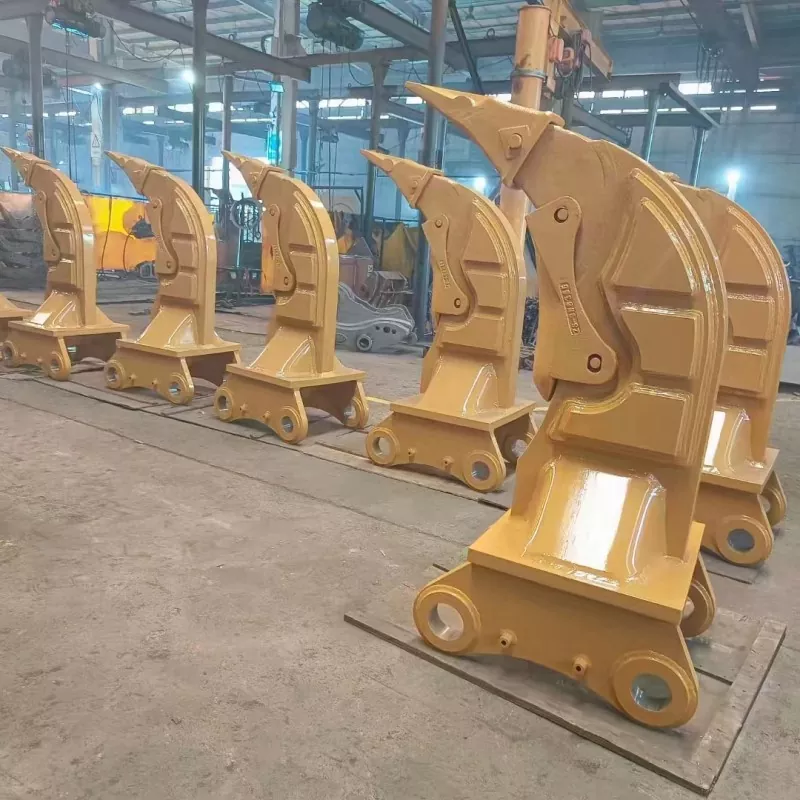
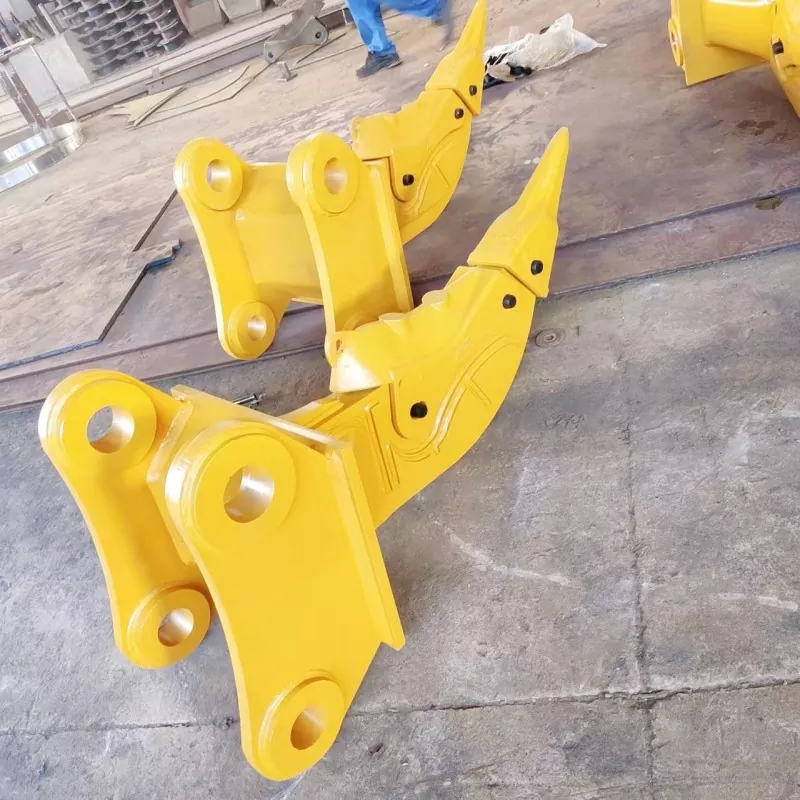
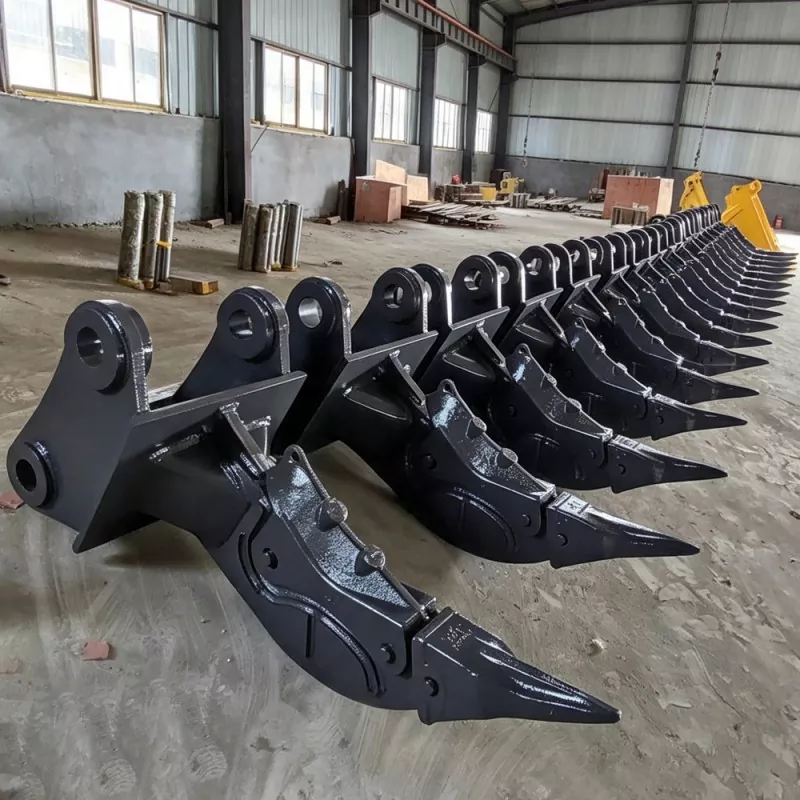
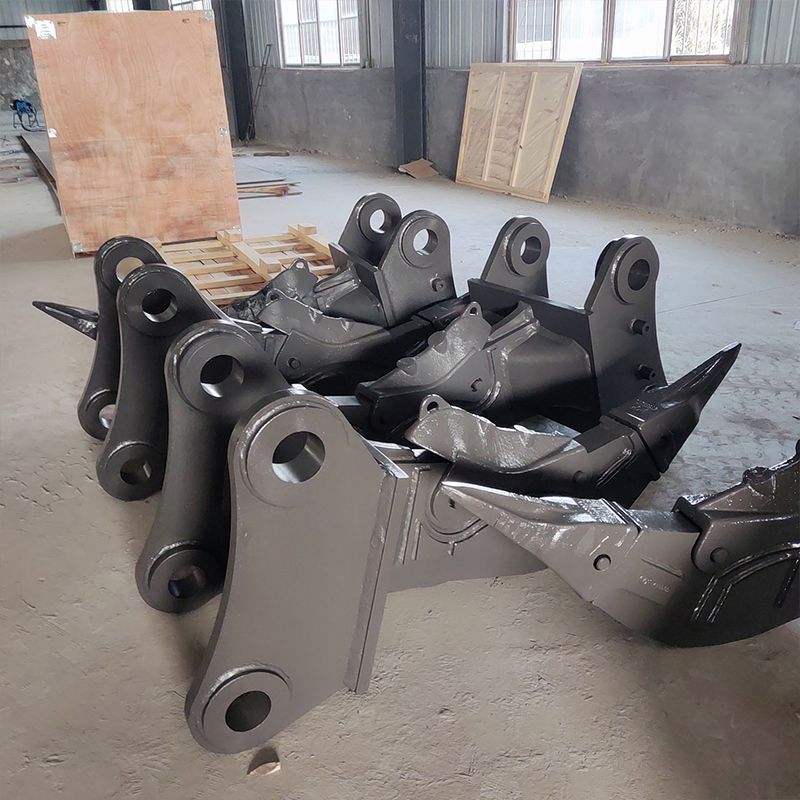
Excavator Rippers are heavy-duty excavator attachments designed to penetrate, break, and loosen hard or compacted materials before the main excavation process. Unlike conventional buckets that are mainly designed for digging and loading, a ripper uses a reinforced tooth structure to concentrate the excavator's digging force on a smaller working area.
This concentrated force allows Excavator Rippers to penetrate materials that may be difficult for standard buckets to handle efficiently. Depending on the design and working conditions, they can be used for compacted soil, frozen ground, weathered rock, hard clay, and other difficult materials.
Modern Excavator Rippers are generally manufactured from high-strength and wear-resistant steel. Reinforced structures, optimized tooth geometry, and durable connection components help improve reliability during heavy-duty operations.
Why Are Excavator Rippers Important for Hard Ground Excavation?
Hard ground can significantly affect excavation efficiency. When an excavator bucket cannot penetrate the material effectively, operators may need to repeat the same digging movement several times. This can increase operating time, fuel consumption, attachment wear, and machine stress.
Excavator Rippers solve this problem by loosening difficult ground before conventional excavation begins.
| Ground Condition | How Excavator Rippers Help |
|---|---|
| Compacted soil | Loosen hard soil layers before digging |
| Frozen ground | Break frozen surfaces and improve penetration |
| Weathered rock | Separate hard rock layers for easier excavation |
| Hard clay | Reduce digging resistance |
| Quarry materials | Assist with ground preparation |
| Land clearing | Break difficult soil and root-affected ground |
For contractors working in challenging environments, using the right Excavator Ripper can make the excavation process smoother and more productive.
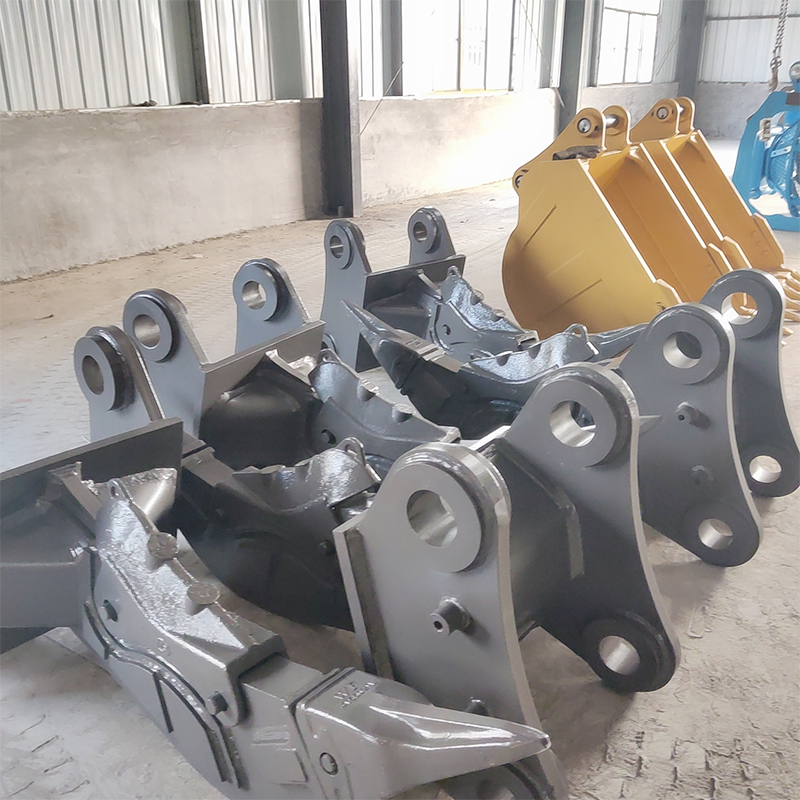
Main Benefits of Using Excavator Rippers
The growing demand for Excavator Rippers is mainly related to their ability to improve excavator performance in difficult ground conditions.
1. Improved Ground Penetration
The ripper tooth concentrates hydraulic digging force at the working point. This allows the attachment to penetrate hard surfaces more effectively than a conventional bucket in many applications.
By breaking the ground into smaller sections, the ripper makes subsequent excavation easier and more efficient.
2. Higher Excavation Efficiency
Hard materials can require multiple digging cycles when using a standard bucket. Excavator Rippers help loosen these materials first, allowing the bucket to remove them more efficiently afterward.
This can reduce unnecessary digging cycles and improve overall productivity.
3. Reduced Bucket Wear
Using a standard bucket continuously against extremely hard materials can increase tooth and edge wear. A dedicated ripper attachment can perform the initial breaking work, helping reduce unnecessary stress on the excavation bucket.
4. Better Performance in Difficult Conditions
Excavator Rippers are particularly useful when working with frozen soil, compacted ground, weathered rock, and other challenging materials.
Their reinforced structure makes them suitable for demanding applications where standard attachments may have limited effectiveness.
5. Greater Excavator Versatility
One excavator can perform different tasks by changing attachments according to project requirements. Adding a ripper gives excavators an additional capability for hard-ground preparation without requiring a separate specialized machine.
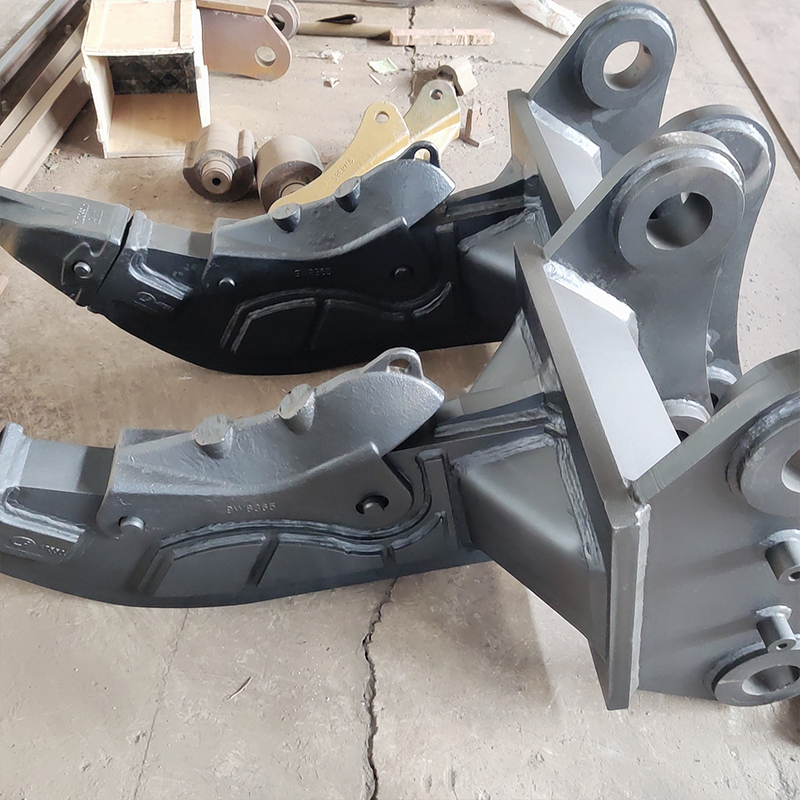
Where Are Excavator Rippers Used?
Excavator Rippers are suitable for a wide range of industries and working environments.
| Industry | Typical Applications |
|---|---|
| Construction | Foundation preparation and site excavation |
| Mining | Hard ground preparation and material loosening |
| Quarrying | Rock and compacted material breaking |
| Road Construction | Roadbed preparation and hard soil loosening |
| Land Clearing | Breaking difficult ground and root-affected soil |
| Agriculture | Farmland renovation and soil loosening |
| Demolition | Breaking compacted ground and difficult materials |
In mining and quarrying operations, heavy-duty ripper attachments can help prepare difficult ground before further excavation. In construction projects, they can improve site preparation efficiency where compacted soil or hard layers are present.
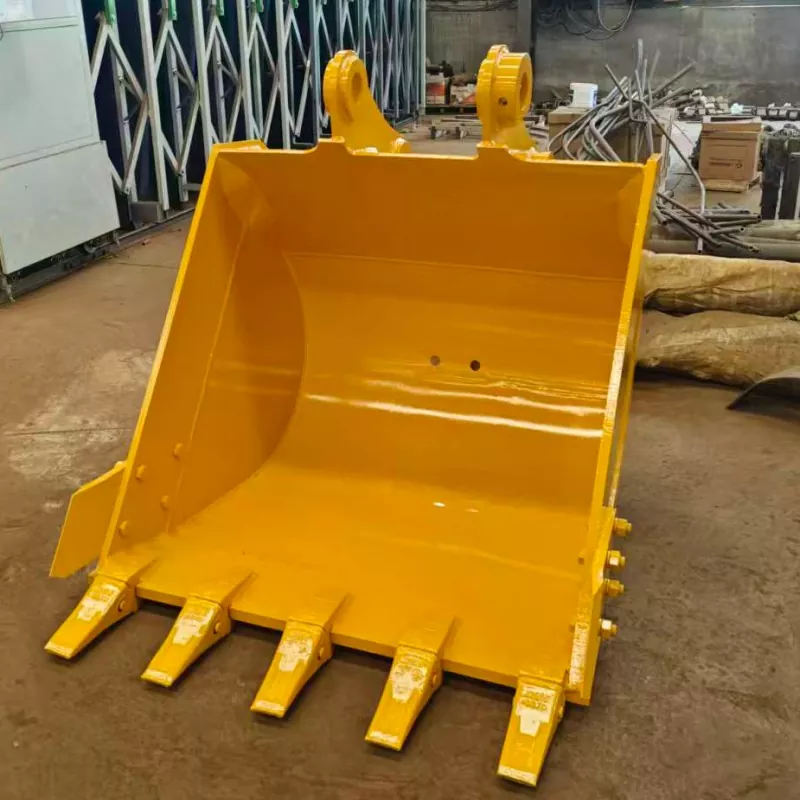
Excavator Ripper vs Standard Excavator Bucket
| Feature | Standard Excavator Bucket | Excavator Ripper |
|---|---|---|
| Main Function | Digging and loading | Breaking and loosening hard ground |
| Working Structure | Bucket body with multiple teeth | Reinforced ripper shank and tooth |
| Hard Ground Performance | Suitable for normal soil | Designed for difficult ground |
| Penetration | General excavation | Concentrated penetration force |
| Rock and Frozen Soil | Limited in very hard conditions | Better suited for pre-breaking |
| Application | General excavation | Hard ground preparation and ripping |
A standard bucket remains the primary attachment for most excavation tasks. However, when ground conditions become too difficult, Excavator Rippers can provide an effective complementary solution.
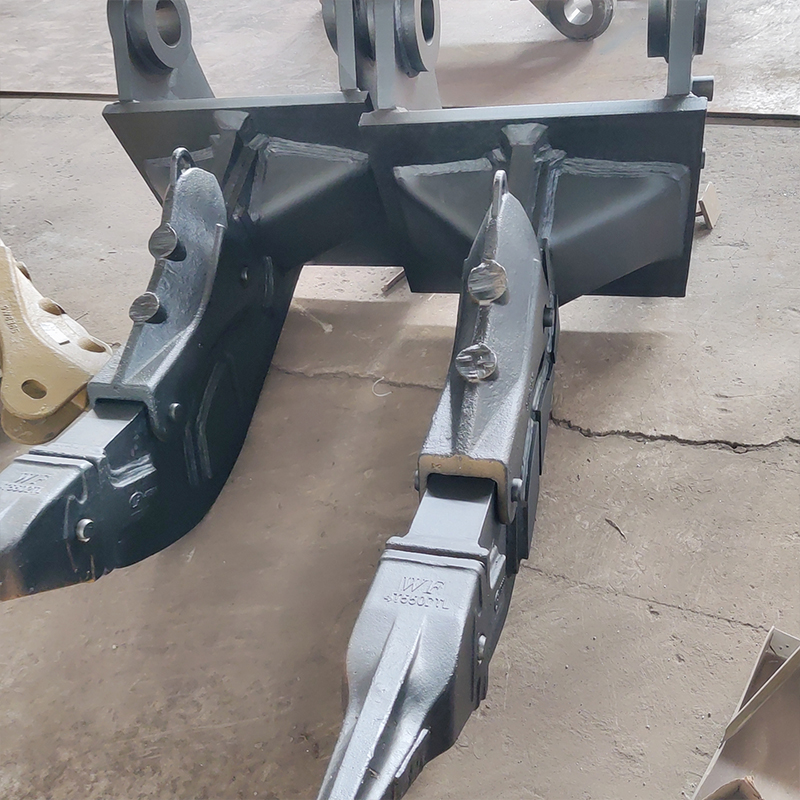
How to Choose the Right Excavator Ripper?
Selecting the correct Excavator Ripper requires more than simply matching the attachment to the excavator. Contractors should consider machine specifications, ground conditions, application requirements, and expected workload.
Excavator Model and Operating Weight
The ripper must be compatible with the excavator's operating weight, hydraulic system, mounting dimensions, and lifting capability. An attachment that is too large or too heavy may affect machine stability and operating performance.
Ground Conditions
Different projects involve different materials. Compacted soil, frozen ground, weathered rock, and quarry materials may require different ripper configurations and tooth designs.
Ripper Tooth Design
The tooth is one of the most important working components. Its shape, material, strength, and angle can influence penetration capability and wear resistance.
Working Environment
Mining and quarrying applications may require a heavier structure, while general construction or land preparation may use a more flexible configuration.
Customized Design
For special applications, customized Excavator Rippers can be manufactured according to excavator model, connection dimensions, working conditions, and project requirements.
A professional Excavator Rippers Manufacturer can evaluate these factors and recommend a suitable attachment configuration.
How Can Excavator Rippers Improve Project Performance?
Modern construction and mining projects require higher productivity while controlling equipment and operating costs. Excavator Rippers can contribute to better project performance by improving the initial ground-breaking process.
Faster Ground Preparation
By loosening hard materials before excavation, the ripper can make subsequent bucket operations more efficient.
Fewer Repeated Digging Cycles
When hard ground is difficult to penetrate, operators may need to repeat excavation movements. Ripping the surface first can reduce unnecessary cycles.
Improved Equipment Utilization
An excavator equipped with multiple attachments can adapt to different working conditions. This improves the flexibility and utilization of existing machinery.
Reduced Downtime
A suitable heavy-duty ripper can help the excavator handle challenging ground conditions more effectively, reducing delays caused by inefficient excavation.
Better Overall Productivity
The combination of ripping and excavation creates a more efficient workflow for projects involving difficult soil and rock layers.
Maintenance Tips for Excavator Rippers
Inspect the Ripper Tooth Regularly
Check the tooth for excessive wear, cracks, deformation, or damage. Replace severely worn components when necessary.
Check Welding and Structural Areas
Inspect major welding points and stress-bearing areas regularly, especially after heavy-duty operations.
Inspect Pins and Bushings
Connection components can experience continuous impact and vibration. Regular inspection can help identify excessive wear before it affects attachment performance.
Clean the Attachment
Remove soil, rocks, and debris after operation. Keeping the attachment clean helps make potential damage easier to identify.
Follow the Recommended Operating Conditions
Avoid using the ripper beyond its designed capacity. Selecting the appropriate working method can reduce unnecessary stress on both the attachment and excavator.
Why Choose XINGCHUANG Excavator Rippers?
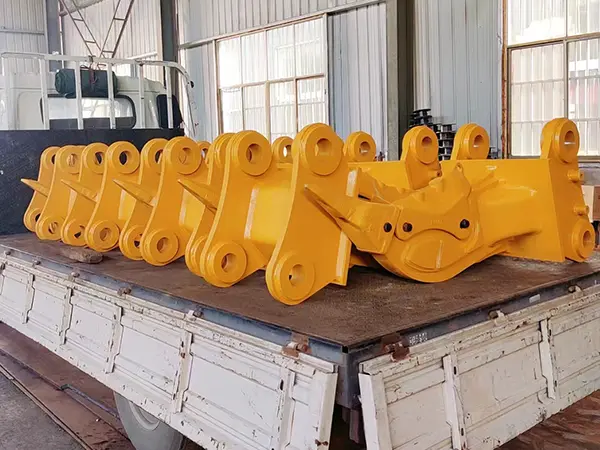
Jining Xingchuang Machinery Manufacturing Co., Ltd. specializes in the development and manufacturing of excavator attachments, including Excavator Rippers, Excavator Rippers and Scarifiers, Excavator Double Tooth Rippers, and other customized excavation tools.
XINGCHUANG Excavator Rippers are designed for demanding applications such as hard soil breaking, frozen ground excavation, mining, quarrying, road construction, and land clearing.
The company's product solutions focus on high-strength materials, reinforced structures, wear resistance, and compatibility with different excavator models. Customized OEM and ODM solutions are also available for customers with specific equipment and working requirements.
For customers looking for an Excavator Rippers Manufacturer or reliable Excavator Ripper Attachment supplier, choosing a manufacturer with professional design and production capabilities can help ensure better attachment compatibility and long-term performance.
Frequently Asked Questions
What is an Excavator Ripper used for?
An Excavator Ripper is mainly used to break and loosen hard or compacted ground before excavation. It is suitable for frozen soil, compacted soil, weathered rock, hard clay, mining, quarrying, and land preparation.
Are Excavator Rippers suitable for rock breaking?
Excavator Rippers can be used for certain rock-breaking and rock-loosening applications, especially weathered or fractured rock. For extremely hard rock, the appropriate attachment should be selected according to the rock type and project conditions.
Can an Excavator Ripper replace an excavator bucket?
No. Excavator Rippers and buckets perform different functions. The ripper is mainly used to loosen hard materials, while the bucket is used for digging, loading, and material handling.
What excavator sizes can use Excavator Rippers?
Excavator Rippers can be designed for different excavator sizes. The correct model should be selected according to excavator operating weight, hydraulic system, mounting dimensions, and application requirements.
Can Excavator Rippers be customized?
Yes. A professional manufacturer can customize the ripper structure, dimensions, tooth configuration, and connection system according to the excavator model and working conditions.
How do I choose a suitable Excavator Ripper?
Customers should provide the excavator model, operating weight, material type, working environment, and application requirements. Based on this information, the manufacturer can recommend a suitable ripper configuration.
Contact Us
If you are looking for durable Excavator Rippers for construction, mining, quarrying, road building, land clearing, or other hard-ground excavation applications, XINGCHUANG can provide professional excavator attachment solutions.
With customized manufacturing capabilities, durable materials, and different ripper configurations, we help customers improve ground-breaking efficiency and achieve more reliable excavation performance.
Contact XINGCHUANG today to discuss your excavator model, working conditions, and Excavator Rippers requirements.
Related News
- How Does XINGCHUANG’s Heavy Duty Soil Ripper for Excavators Improve Tough Ground Excavation Efficiency?
- How Does an Excavator Long Reach Arm Improve Excavation Performance?
- How Can a Single Shank Rock Ripper Improve Excavation in Hard Ground Conditions?
- Why Choose Excavator Rotary Screening Buckets for On-Site Material Screening?
- How Can Long Reach Excavator Boom and Arm Improve Excavation Efficiency and Project Performance?
- The "pioneer" who broke through the hard rock and frozen soil
Leave me a message