Customized Hydraulic Clamshell Buckets for Efficient Material Handling
Xingchuang is a Hydraulic Clamshell Buckets Manufacturer specializing in excavator attachments for dredging, deep excavation, and material handling. Our clamshell buckets feature a dual-jaw grabbing structure and hydraulic control, making them suitable for collecting loose materials in deep pits, narrow spaces, and challenging jobsite conditions.
What Makes Hydraulic Clamshell Buckets Different?
Unlike conventional excavator buckets, hydraulic clamshell buckets use two opposing jaws to grab and collect materials. This design is particularly useful for vertical digging, narrow spaces, and underwater material handling. Operators can open and close the jaws hydraulically to control material collection and lifting.
Key advantages include:
- Controlled Grabbing: Two-jaw construction helps collect loose materials efficiently.
- Flexible Operation: Suitable for deep pits, narrow trenches, and restricted working areas.
- Versatile Handling: Handles sand, gravel, mud, soil, and other loose materials.
- Excavator Compatibility: Configurations can be selected according to machine specifications and job requirements.
Applications of Hydraulic Clamshell Buckets
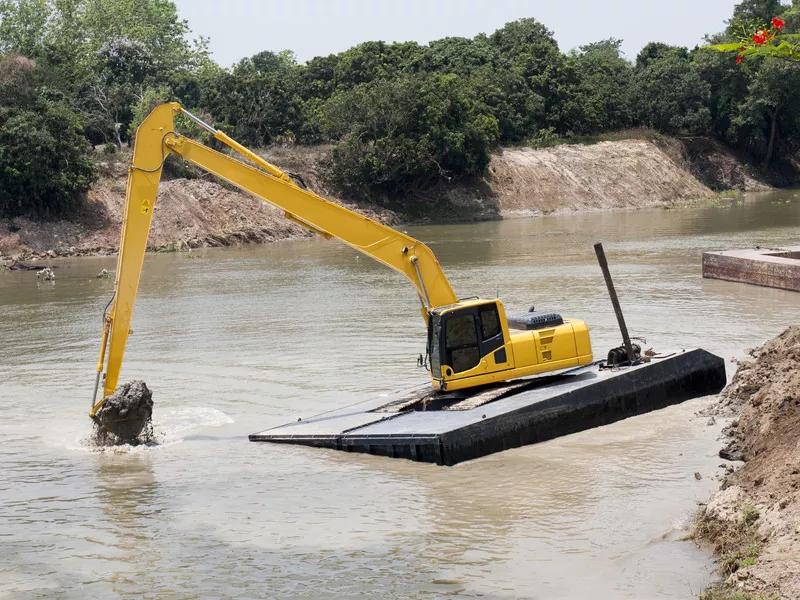
Hydraulic Clamshell Buckets are suitable for operations where materials need to be grabbed and lifted from below ground level or within restricted spaces. Typical applications include deep foundation excavation, river and canal dredging, trench cleaning, loose soil removal, sand and gravel handling, and loading bulk materials. Their two-jaw grabbing structure is especially practical for narrow excavation areas, vertical shafts, and locations where precise material collection is required.
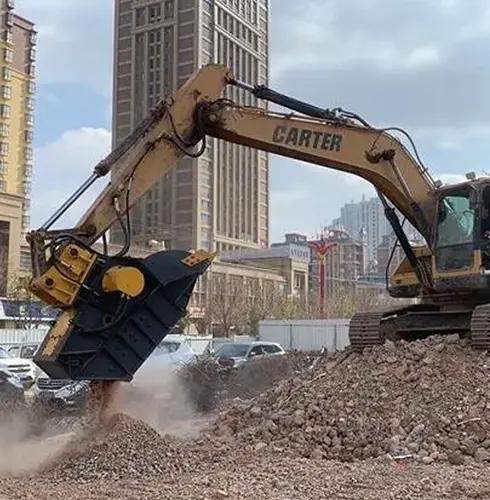
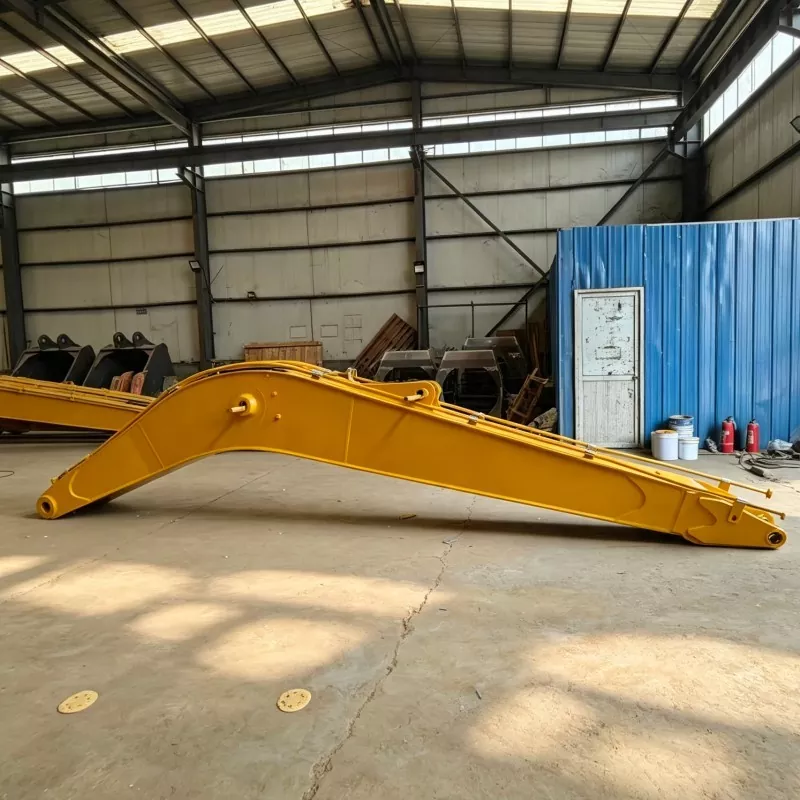
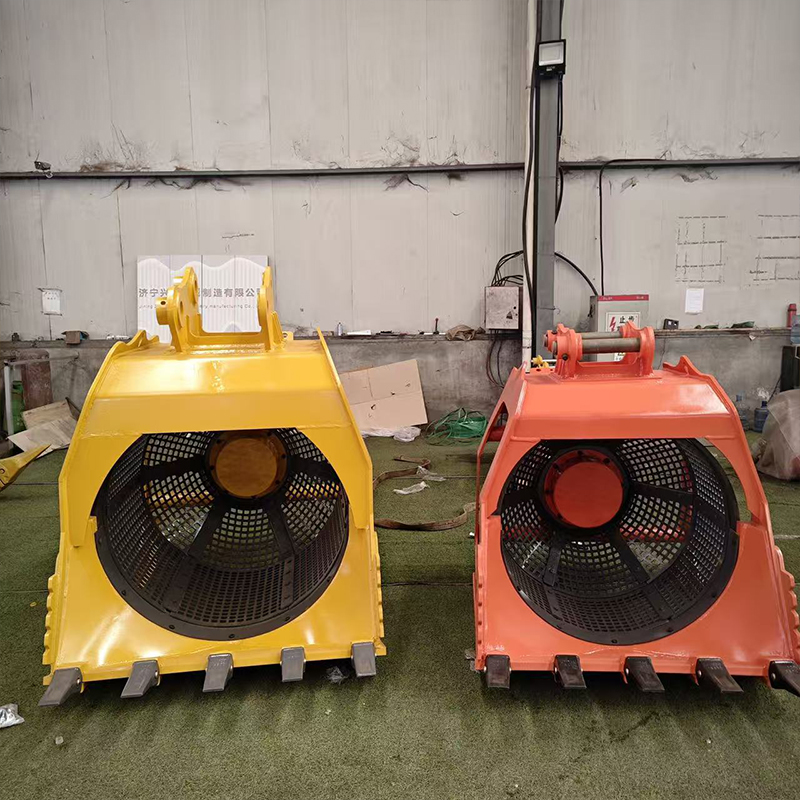
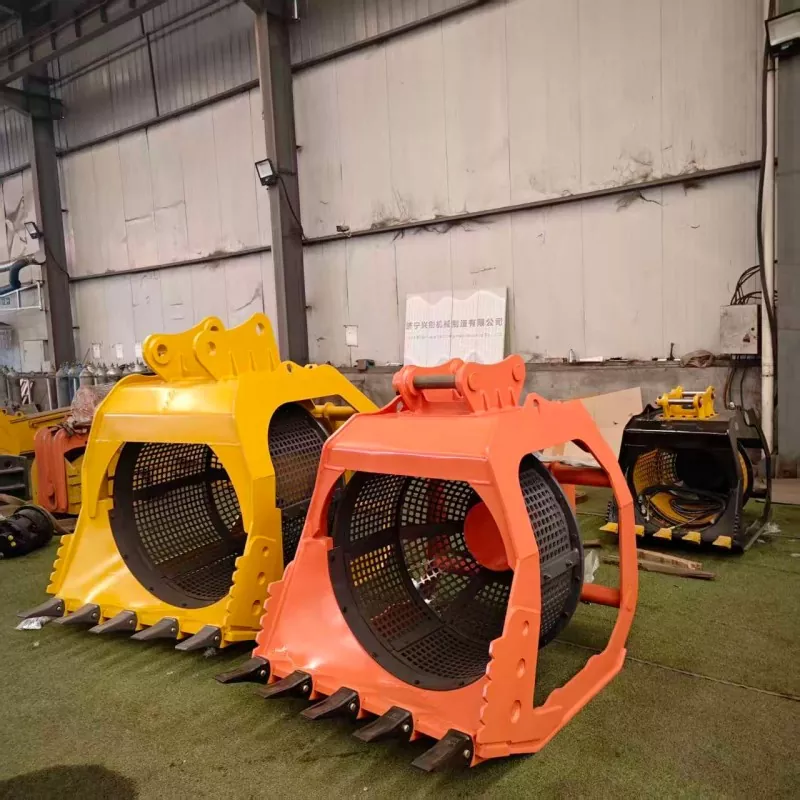
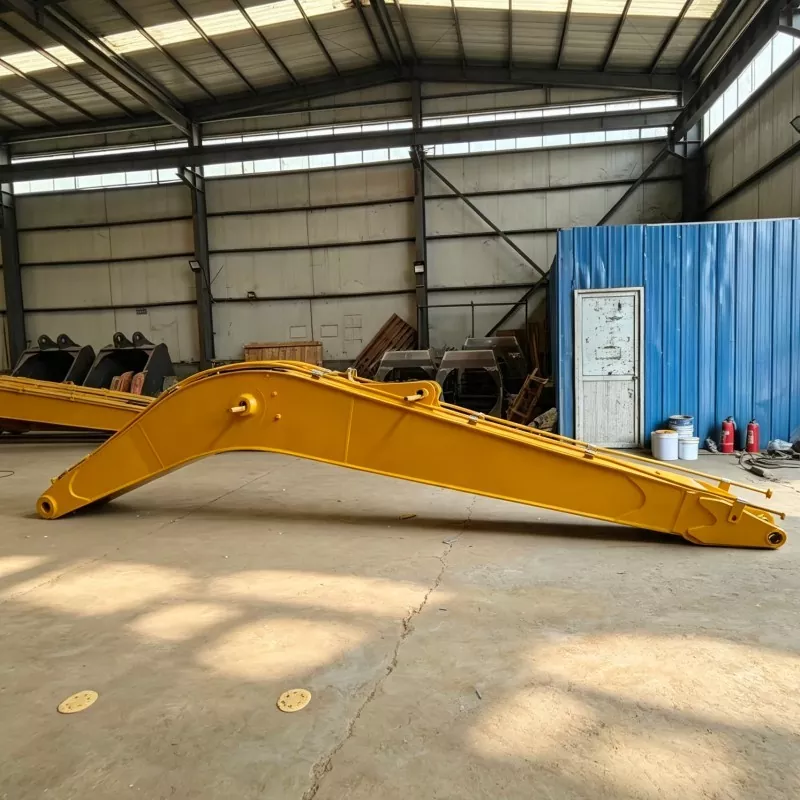
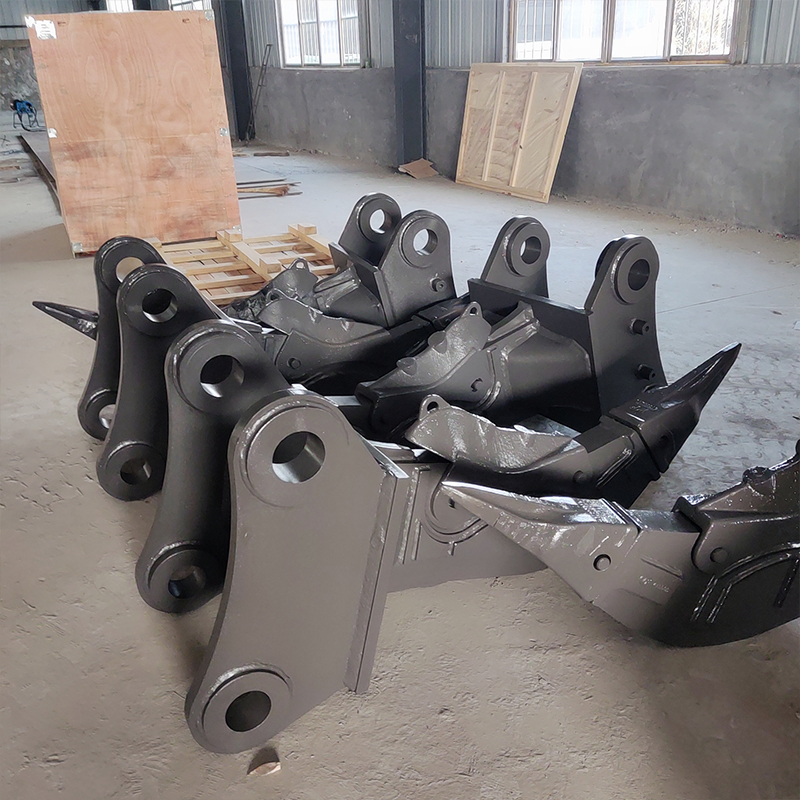
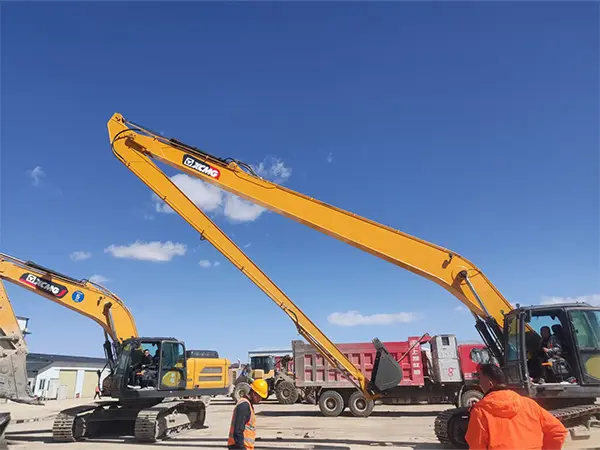
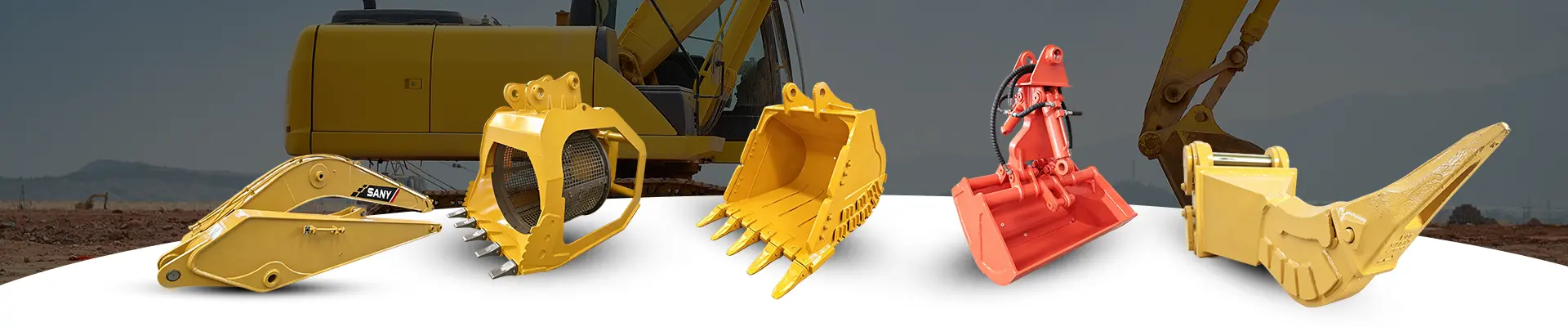
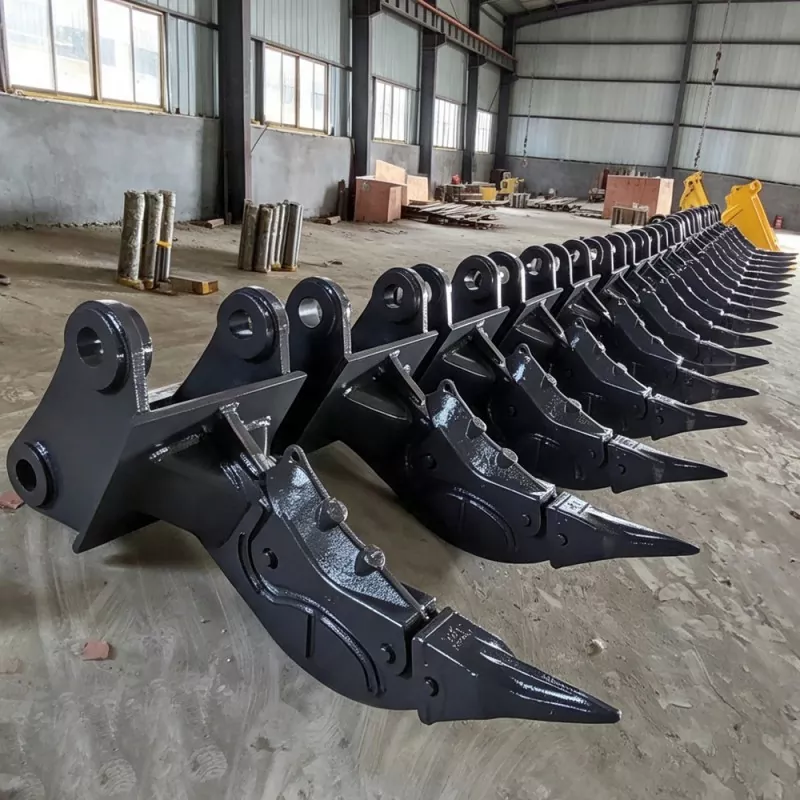
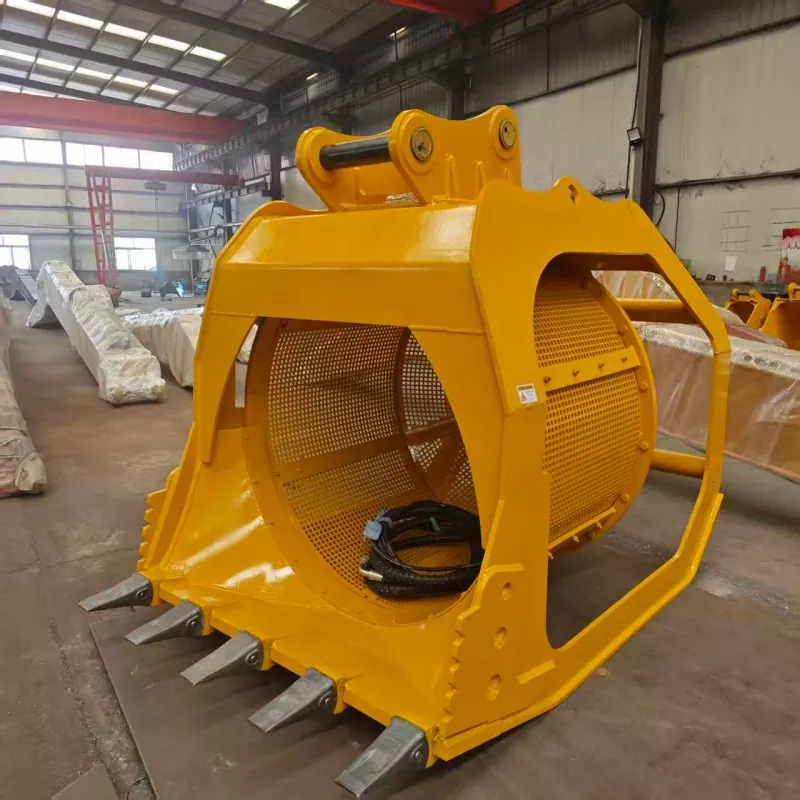
For projects involving different ground conditions, Xingchuang also provides complementary attachments, including Long Reach Excavator Boom And Arm for extended digging distances, Excavator Rotary Screening Buckets for separating soil, stones, and other materials, and Excavator Rippers for breaking compacted ground and hard soil.
Explore More Excavator Attachments
For different excavation and material processing requirements, explore our related products:
Contact Xingchuang to discuss Hydraulic Clamshell Buckets that match your excavator specifications and working conditions.
FAQs
Q1: What is the main purpose of a hydraulic clamshell bucket?
It is mainly used for grabbing, lifting, and transferring loose materials in deep excavation, dredging, and confined working areas.
Q2: Can hydraulic clamshell buckets handle underwater operations?
Yes. They can be used in suitable dredging applications, depending on the attachment configuration, hydraulic system, and operating conditions.
Q3: How do I match a clamshell bucket with my excavator?
Check the excavator's tonnage, hydraulic flow, pressure, mounting dimensions, and auxiliary hydraulic connections before selecting an attachment.
- View as
Rotary Clamshell Bucket for River Dredging
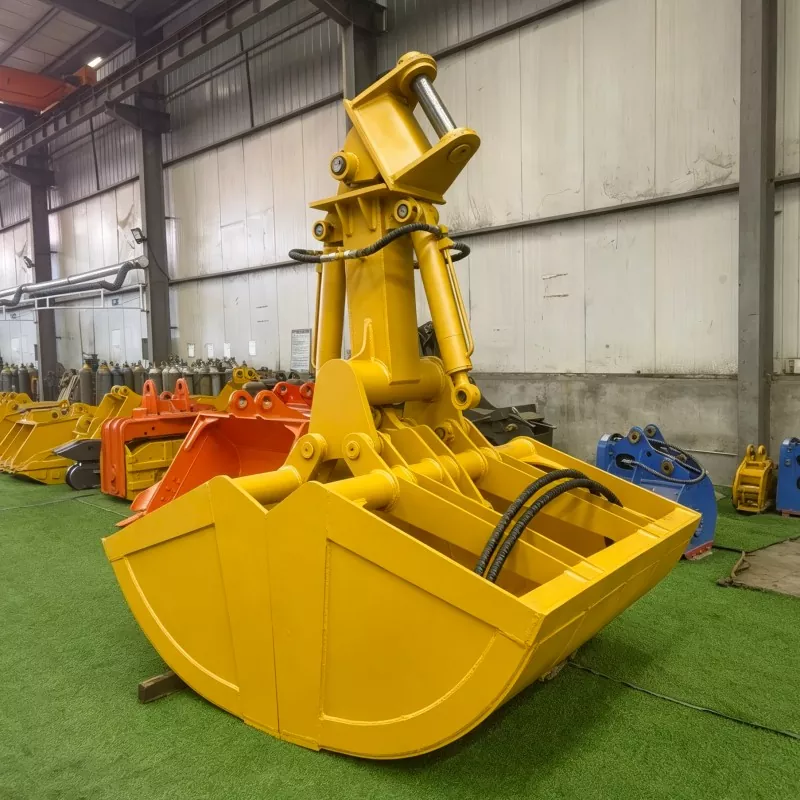
Rotary Clamshell Bucket for River Dredging is designed for efficient removal of silt, sand, and mixed debris in rivers, lakes, and port projects. Featuring high-strength wear-resistant steel and 360° hydraulic rotation technology, it delivers flexible operation, large grabbing capacity, and reliable dredging performance. XINGCHUANG provides customized rotary bucket solutions and bulk supply for global dredging applications.
Hydraulic Clamshell Bucket Grab for Excavators
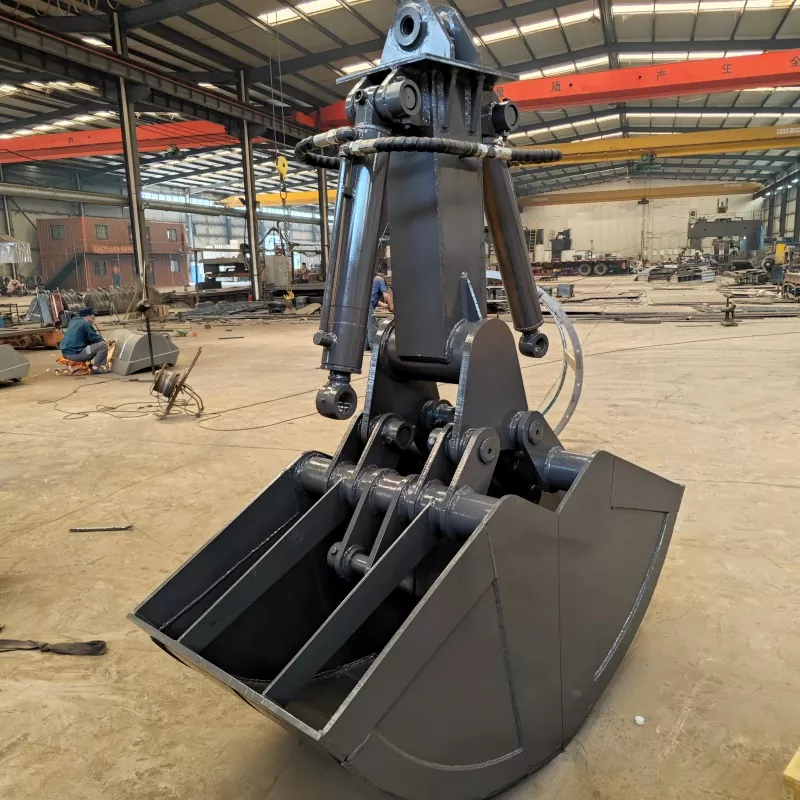
Hydraulic Clamshell Bucket Grab for Excavators is a versatile hydraulic attachment designed for efficient bulk material handling in construction, municipal, port, and agricultural applications. Equipped with a synchronous hydraulic system and high-strength steel structure, it provides precise gripping, flexible operation, and strong adaptability for 5–55 ton excavators. XINGCHUANG offers customized specifications and reliable supply for global customers.
XINGCHUANG is a professional Hydraulic Clamshell Buckets manufacturer and supplier in China. We have an experienced sales team, professional technicians, and an after-sales service team.
News Recommendations