How Does the Right Excavator Construction Bucket Improve Productivity on Construction Sites?
An excavator's productivity depends on more than engine power and operating skills. The bucket attached to the machine plays an equally important role in digging efficiency, material handling, fuel consumption, and equipment maintenance. Choosing an unsuitable bucket can cause excessive wear, unnecessary operating cycles, increased fuel costs, and frequent downtime. This guide explains the different types of excavator construction buckets, their materials, structural features, applications, and selection criteria. It also provides practical advice on compatibility, maintenance, and customization to help construction contractors, equipment dealers, and machinery operators make informed purchasing decisions.
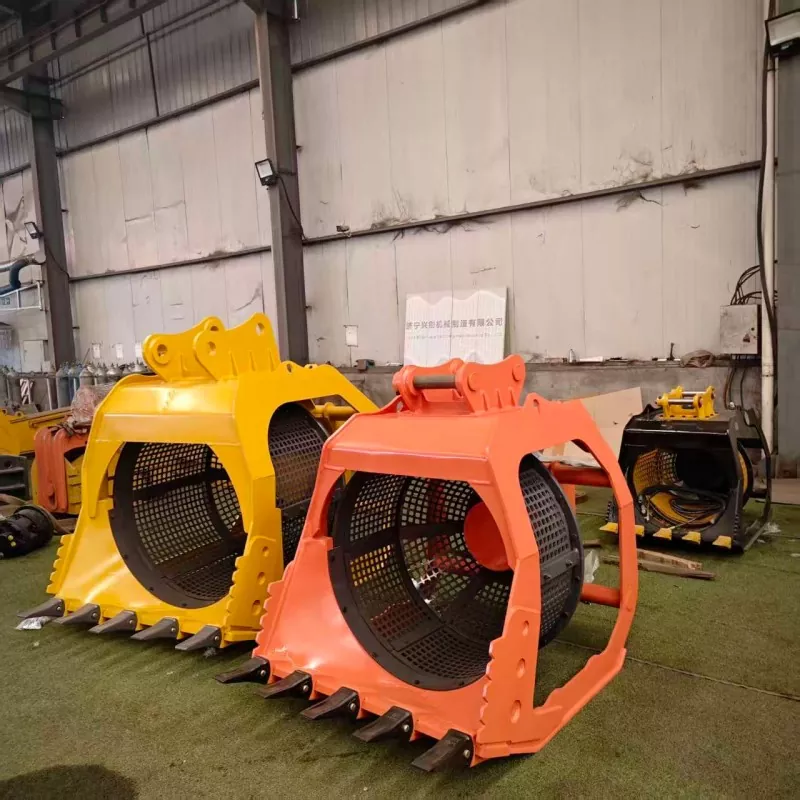
Table of Contents
- Understanding the Excavator Construction Bucket
- Why Bucket Selection Matters for Construction Efficiency
- Common Types of Excavator Construction Buckets
- Materials and Structural Features
- How to Choose the Right Bucket for Your Excavator
- Common Applications Across Construction Industries
- Common Purchasing Mistakes and How to Avoid Them
- Maintenance Tips for Longer Service Life
- Why Work with a Professional Bucket Manufacturer?
- Frequently Asked Questions
- Final Thoughts and Contact Information
1. Understanding the Excavator Construction Bucket
An Excavator Construction Bucket is a fundamental attachment installed at the end of an excavator's arm. It is designed to dig, collect, lift, and transport materials such as soil, sand, clay, gravel, and construction debris. Although it may appear to be a relatively simple steel component, its design directly influences how effectively an excavator performs different tasks.
During excavation, the bucket must withstand repeated contact with the ground, resistance from compacted materials, impact forces, and continuous loading and unloading cycles. Its shape, capacity, cutting edge, teeth configuration, and structural strength all affect overall performance.
For construction contractors and equipment owners, selecting the right bucket is therefore an important investment decision. A suitable attachment helps maintain stable digging performance, reduces unnecessary machine stress, and improves daily productivity.
What Makes a Construction Bucket Different?
A construction bucket is generally designed to balance digging capability, loading capacity, durability, and versatility. Compared with specialized attachments, it is suitable for a wider range of ordinary earthmoving tasks.
- Practical capacity: Provides sufficient volume for routine excavation and loading.
- Reinforced construction: Helps withstand repeated digging forces and material impacts.
- Wear-resistant components: Protects areas exposed to frequent ground contact.
- Machine compatibility: Designed around the excavator's weight, hydraulic capability, and connection dimensions.
- Flexible configuration: Can be customized for different materials and working conditions.
2. Why Bucket Selection Matters for Construction Efficiency
Choosing an inappropriate bucket can create problems that are not always immediately visible. A bucket that is too large may reduce digging force and affect machine stability, while an undersized bucket may require more operating cycles to complete the same workload.
2.1 Improving Digging and Loading Efficiency
The bucket's geometry determines how easily it penetrates the ground and collects materials. An appropriately designed cutting edge and tooth arrangement can reduce resistance during excavation, allowing operators to complete digging operations more smoothly.
For example, a bucket designed for ordinary soil excavation may perform efficiently on a residential construction site. However, the same configuration may experience excessive wear when used continuously in gravel or rocky terrain.
2.2 Controlling Fuel Consumption
Excavation resistance, bucket capacity, and machine loading all influence fuel consumption. When the attachment is correctly matched to the excavator, operators can avoid unnecessary digging resistance and excessive working cycles.
2.3 Reducing Maintenance and Downtime
Wear concentrated around the cutting edge, bucket teeth, side plates, and bottom plate can eventually lead to structural damage. A bucket with suitable reinforcement and wear protection helps reduce premature component replacement.
2.4 Protecting the Excavator
An unsuitable bucket can place additional stress on the boom, arm, hydraulic system, and attachment connection. Selecting a configuration within the machine manufacturer's operating recommendations helps maintain equipment stability and reduce unnecessary mechanical stress.
Practical Recommendation:
Do not evaluate a bucket solely by its capacity or purchase price. Consider the relationship between machine specifications, material conditions, operating frequency, and expected service life.
3. Common Types of Excavator Construction Buckets
Different construction projects require different bucket structures. Understanding the main types helps buyers identify the most appropriate attachment for their operating conditions.
3.1 Standard Excavator Bucket
Standard buckets are widely used for general excavation, foundation digging, trenching, and ordinary earthmoving. They offer a practical balance between capacity, weight, and digging performance.
Typical applications include residential construction, road preparation, site leveling, and routine municipal engineering projects.
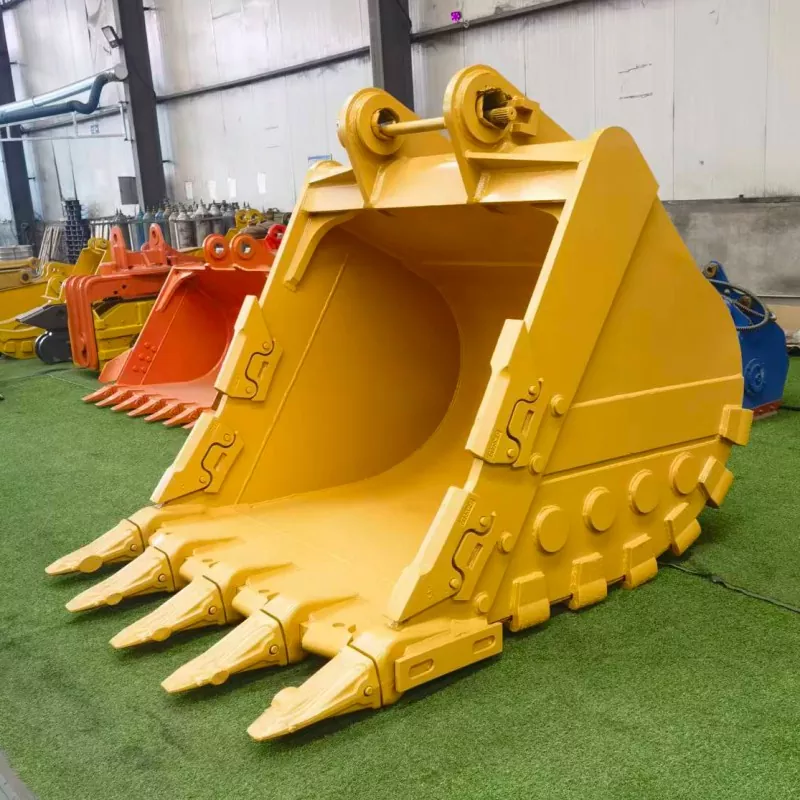
3.2 Heavy-Duty Excavator Bucket
Heavy-duty buckets are designed for more demanding conditions, including compacted soil, gravel, and frequent excavation operations. Reinforced side plates, thicker bottom structures, and additional wear protection help improve resistance to repeated impacts.
3.3 Rock Excavator Bucket
Rock buckets are designed for challenging environments involving hard rock, quarry materials, and abrasive aggregates. Their reinforced construction and specialized wear components help withstand high-impact working conditions.
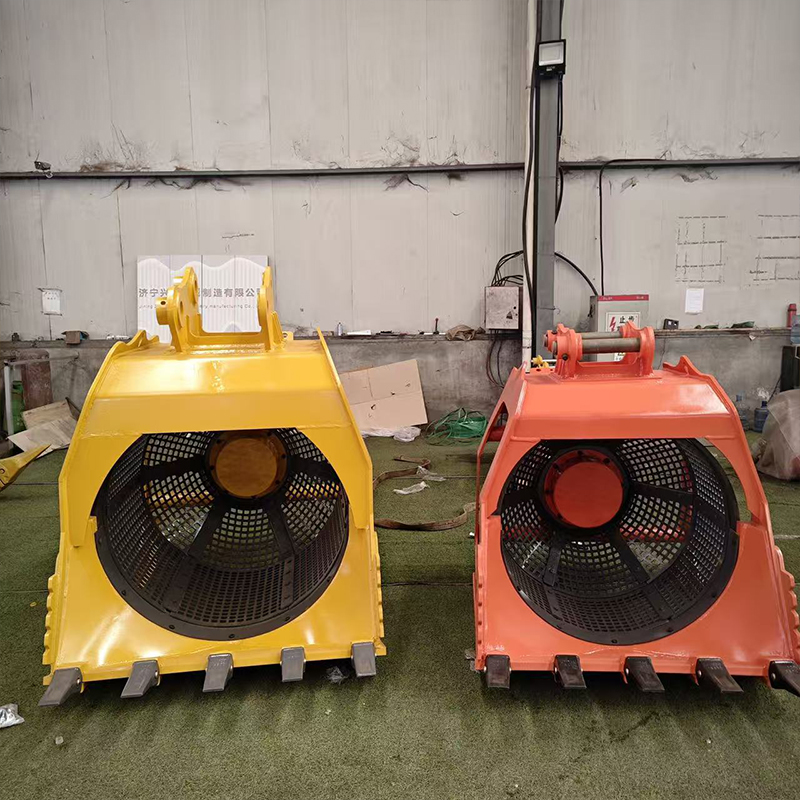
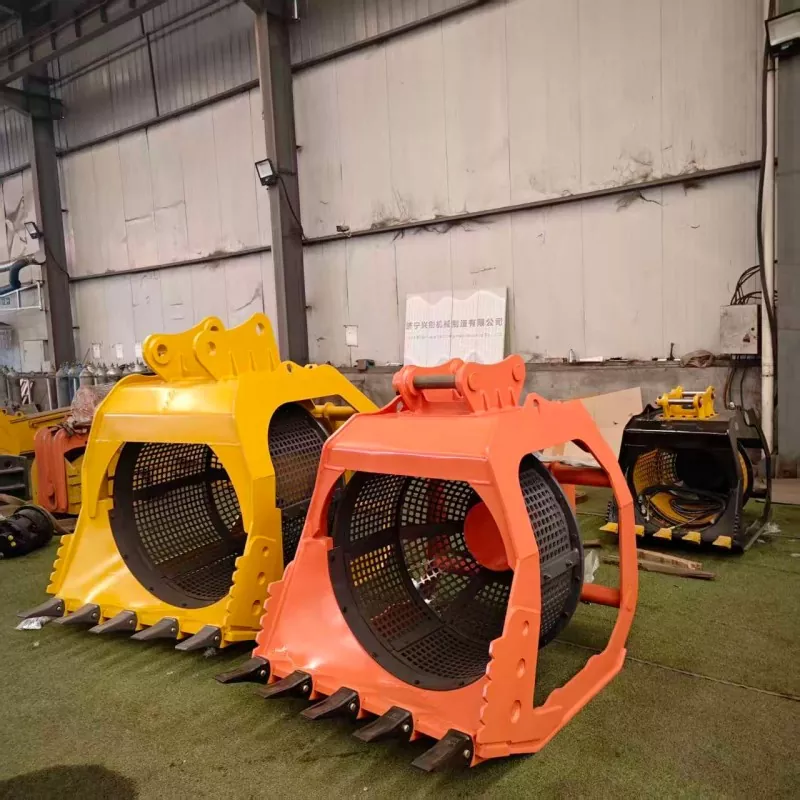
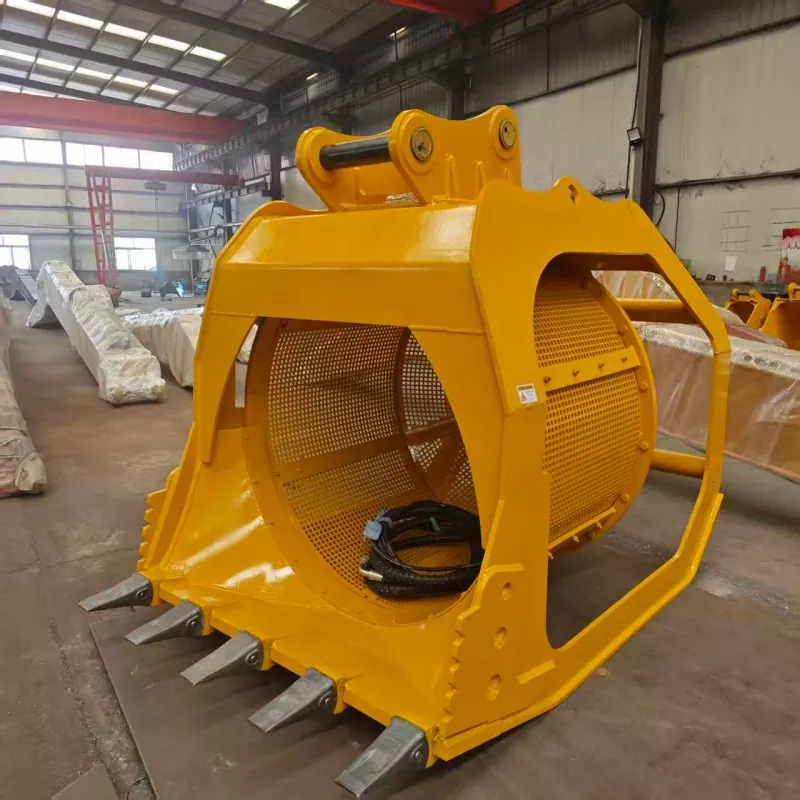
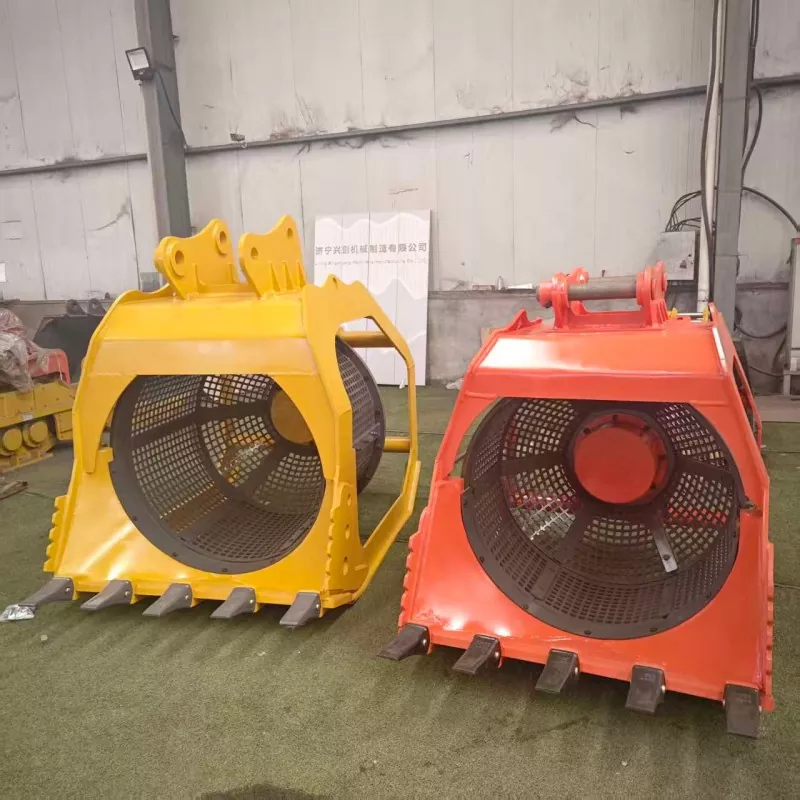
3.4 Skeleton Screening Bucket
A skeleton bucket features an open-grid structure that allows smaller materials to pass through while retaining larger stones, debris, or other materials. It is useful for soil screening, construction waste separation, and land preparation.
3.5 Ditch Cleaning Bucket
Ditch cleaning buckets are generally wider and may feature a smoother cutting edge. They are suitable for ditch maintenance, slope shaping, canal cleaning, and landscaping projects where surface finishing is important.
| Bucket Type | Main Applications | Key Characteristics |
|---|---|---|
| Standard Bucket | General excavation and earthmoving | Balanced capacity and digging performance |
| Heavy-Duty Bucket | Compacted soil and gravel | Reinforced structure and wear protection |
| Rock Bucket | Mining and hard rock excavation | High-impact and abrasion resistance |
| Skeleton Bucket | Screening and material separation | Open-grid construction |
| Ditch Cleaning Bucket | Canal cleaning and slope finishing | Wide working profile |
The best configuration depends on the actual working environment rather than the bucket name alone. Contractors should consider material hardness, operating frequency, excavator tonnage, and the required working result before making a decision.
4. Materials and Structural Features of a Durable Construction Bucket
Material selection and structural engineering are essential to bucket durability. Even a well-designed bucket may experience premature failure if its material strength and wear resistance are unsuitable for the application.
4.1 High-Strength Structural Steel
Structural steel is commonly used in bucket bodies and supporting components. Materials such as Q355B provide a combination of strength, toughness, and fabrication suitability for general engineering applications.
For more demanding environments, manufacturers may use additional wear-resistant materials in specific areas to improve service performance.
4.2 Wear-Resistant Steel Plates
NM400, NM450, NM500, and HARDOX grades are examples of materials that may be selected for components exposed to repeated abrasion. The appropriate grade depends on impact intensity, material hardness, operating conditions, and the required service life.
4.3 Reinforced Bucket Components
Several structural areas deserve particular attention:
- Cutting edge: Directly contacts the ground and experiences continuous abrasion.
- Bucket teeth: Help penetrate soil and other materials while reducing resistance.
- Side plates: Maintain structural strength and resist lateral wear.
- Bottom plate: Supports loaded materials and experiences repeated contact with the ground.
- Reinforcement ribs: Improve structural rigidity and help distribute working loads.
- Bucket ears and mounting points: Connect the bucket to the excavator arm and must match the machine's installation requirements.
4.4 Welding and Manufacturing Accuracy
Welding quality directly affects structural reliability. Poor weld preparation, inconsistent welding, or inaccurate dimensions can lead to cracks, deformation, and installation difficulties.
Professional manufacturing should include appropriate cutting, machining, welding, dimensional inspection, and final quality checks. Accurate manufacturing is particularly important for customized buckets and attachments designed for specific excavator models.
Buyer Tip:
When comparing manufacturers, ask about the actual material grades used in the bucket body, cutting edge, and wear components. A general statement such as "high-quality steel" is not enough to establish material suitability.
5. How to Choose the Right Excavator Construction Bucket
Selecting a suitable bucket requires more than identifying the excavator's brand. Buyers should evaluate several technical and operational factors before confirming an order.
5.1 Confirm Excavator Tonnage and Model
Start by providing the excavator's manufacturer, model, and operating weight. Different machine sizes have different attachment requirements, including mounting dimensions, allowable bucket weight, and recommended capacity.
For example, a bucket designed for a 20-ton excavator should not automatically be considered suitable for another 20-ton machine. Different models may use different pin diameters, pin distances, and connection structures.
5.2 Identify the Working Material
Material conditions determine the required bucket strength and geometry.
| Working Material | Recommended Considerations |
|---|---|
| Loose soil | Balanced capacity and general-purpose cutting edge |
| Clay | Suitable bucket shape and effective material release |
| Sand and gravel | Wear protection and appropriate bucket capacity |
| Compacted soil | Reinforced structure and suitable tooth configuration |
| Hard rock | Rock-duty design and enhanced wear protection |
| Construction debris | Reinforced components and application-specific design |
5.3 Evaluate Bucket Capacity
Bucket capacity should be matched to the excavator's operating capabilities and the density of the material being handled. A larger bucket does not necessarily improve productivity because excessive loading can affect stability and increase mechanical stress.
Consider the following factors:
- Excavator operating weight and lifting capacity.
- Material density and expected bucket fill factor.
- Digging depth and working radius.
- Loading height and transportation requirements.
- Recommended operating specifications from the excavator manufacturer.
5.4 Check Mounting Dimensions and Compatibility
Compatibility is one of the most important purchasing considerations. Before ordering, confirm:
- Pin diameter.
- Pin center distance.
- Inside width between mounting ears.
- Bucket width and overall dimensions.
- Quick coupler type, if applicable.
- Hydraulic connection requirements for hydraulic attachments.
5.5 Consider Customization Requirements
Standard configurations may not meet every project's requirements. Customized solutions can include different bucket widths, capacities, tooth systems, wear plate thicknesses, connection dimensions, and surface finishes.
Buyers with special operating requirements should provide drawings, photographs, existing bucket measurements, or detailed machine information to help the manufacturer develop an accurate solution.
6. Common Applications Across Construction Industries
Excavator construction buckets are used across a wide range of industries. Their versatility makes them essential for everyday earthmoving and material handling operations.
6.1 Building and Foundation Construction
Standard and heavy-duty buckets are commonly used for foundation excavation, basement construction, site preparation, and soil removal. Suitable bucket dimensions help operators maintain consistent excavation performance in restricted working areas.
6.2 Road and Infrastructure Projects
Road construction requires excavation, trenching, soil relocation, and site leveling. Different bucket configurations can support these operations throughout the construction process.
6.3 Mining and Quarrying
Mining and quarrying environments expose buckets to abrasive materials and repeated impact. Reinforced rock buckets and heavy-duty configurations are commonly selected for demanding excavation tasks.
6.4 Municipal Engineering and Water Conservancy
Municipal construction projects often involve drainage systems, ditch cleaning, riverbank maintenance, and canal excavation. Standard buckets and wider ditch cleaning buckets can support these operations.
6.5 Agriculture and Landscaping
Land preparation, pond excavation, soil relocation, and landscaping require attachments that can handle different soil conditions while maintaining operational flexibility.
7. Common Purchasing Mistakes and How to Avoid Them
Even experienced equipment buyers can encounter problems when purchasing replacement buckets or ordering customized attachments. Understanding these common mistakes can reduce unnecessary costs and delays.
Mistake 1: Choosing Only by Price
A low purchase price may appear attractive, but insufficient material strength, poor welding quality, and inadequate wear protection can increase long-term maintenance costs.
Better approach: Compare material specifications, structural design, manufacturing quality, warranty terms, and expected operating conditions.
Mistake 2: Ignoring Installation Dimensions
A bucket may be designed for the correct excavator brand but still have incompatible mounting dimensions.
Better approach: Confirm all connection measurements before production begins. Provide the manufacturer's model information and, when possible, technical drawings.
Mistake 3: Using One Bucket for Every Working Condition
General-purpose buckets are versatile, but they are not necessarily suitable for continuous rock excavation, material screening, or specialized finishing work.
Better approach: Select the attachment according to the most frequent and demanding working conditions.
Mistake 4: Overlooking After-Sales Support
For overseas buyers, delayed technical assistance and difficulties obtaining replacement wear parts can result in extended equipment downtime.
Better approach: Choose a manufacturer that can provide technical consultation, installation guidance, spare parts support, and clear communication.
8. Maintenance Tips for Longer Service Life
Regular inspection and proper maintenance help maintain bucket performance and identify potential problems before they develop into major repairs.
Daily Inspection
- Check bucket teeth for looseness, cracks, or excessive wear.
- Inspect the cutting edge for deformation and damage.
- Check mounting pins and retaining components.
- Look for visible cracks around welds and reinforcement areas.
- Remove accumulated materials that may interfere with normal operation.
Periodic Maintenance
- Replace severely worn teeth before they damage supporting components.
- Inspect side cutters and wear plates regularly.
- Check mounting points for abnormal clearance.
- Repair damaged protective structures using appropriate procedures.
- Follow the excavator manufacturer's lubrication and inspection recommendations.
Correct Operating Practices
Operators should avoid using the bucket as a hammer or applying excessive side force during excavation. Sudden impacts, improper loading, and unnecessary twisting can accelerate structural fatigue.
Using the correct attachment for each operation is one of the most effective ways to reduce avoidable damage and extend service life.
9. Why Work with a Professional Excavator Bucket Manufacturer?
Choosing a reliable manufacturer is just as important as selecting the right bucket specifications. Professional suppliers can provide technical guidance, consistent manufacturing quality, and customized solutions for different operating environments.
Jining Xingchuang Machinery Manufacturing Co., Ltd. is a manufacturer specializing in excavator attachments and construction machinery products. Established in September 2017, the company is based in Jining, Shandong, China, and focuses on the development and manufacturing of excavator buckets and other engineering machinery attachments.
9.1 Manufacturing and Engineering Capabilities
The company integrates product development, steel structure processing, welding, and attachment manufacturing. Its production capabilities support different excavator attachment requirements and customized product configurations.
9.2 Solutions for Different Working Conditions
XINGCHUANG provides different excavator bucket solutions for general earthmoving, heavy-duty excavation, rock handling, and material screening. Product configurations can be developed according to excavator models, material characteristics, and project requirements.
9.3 Custom OEM and ODM Services
Different customers have different purchasing requirements. The company supports customized manufacturing based on technical drawings, samples, and project specifications.
Customization options may include:
- Bucket width and capacity.
- Material selection and plate thickness.
- Bucket teeth and cutting edge configuration.
- Mounting dimensions and connection structures.
- Wear protection and reinforcement components.
- Product color and branding requirements.
9.4 Quality Control and International Supply
Manufacturing quality depends on material selection, fabrication accuracy, welding procedures, and final inspection. XINGCHUANG emphasizes production control and dimensional verification to support reliable attachment performance.
The company also serves international customers and provides product solutions for different markets and equipment requirements.
For construction contractors, machinery dealers, and equipment distributors, working directly with an experienced manufacturer can make it easier to discuss technical requirements and obtain customized attachment solutions.
Learn more about the company's Excavator Construction Bucket and explore its wider range of excavator bucket products.
10. Frequently Asked Questions
Q1: What is an excavator construction bucket used for?
An excavator construction bucket is primarily used for digging, loading, and moving materials such as soil, sand, clay, gravel, and construction debris. It is widely applied in building construction, road engineering, infrastructure development, and general earthmoving projects.
Q2: How do I know which bucket size is suitable for my excavator?
You should consider the excavator's brand, model, operating weight, recommended bucket capacity, and working conditions. It is also necessary to confirm the mounting dimensions, including pin diameter, pin distance, and mounting width.
Q3: Which materials are commonly used to manufacture excavator buckets?
Common materials include Q355B structural steel and wear-resistant steel grades such as NM400, NM450, NM500, and HARDOX. The appropriate material depends on the bucket's structural requirements and the hardness and abrasiveness of the working materials.
Q4: Can an excavator construction bucket be customized?
Yes. Manufacturers can customize bucket dimensions, capacity, material thickness, teeth configurations, connection structures, and other features according to the excavator model and project requirements.
Q5: What is the difference between a standard bucket and a heavy-duty bucket?
A standard bucket is designed for general excavation and ordinary earthmoving. A heavy-duty bucket usually features reinforced structures and additional wear protection, making it more suitable for compacted soil, gravel, and frequent demanding operations.
Q6: How can I extend the service life of an excavator bucket?
Regularly inspect bucket teeth, cutting edges, side plates, mounting points, and welds. Replace worn components promptly, avoid excessive impact, and use the correct bucket for each working condition.
Q7: Which excavator brands can use XINGCHUANG buckets?
XINGCHUANG provides bucket solutions for major excavator brands, including Caterpillar, Komatsu, Hitachi, Volvo, Hyundai, Doosan, SANY, and XCMG. Compatibility should be confirmed using the exact excavator model and mounting measurements.
Q8: What information should I provide when requesting a quotation?
To receive an accurate quotation, provide your excavator brand and model, required bucket type, working material, desired capacity or dimensions, quantity, and delivery destination. Drawings or photographs of an existing bucket can also help clarify technical requirements.
Q9: Does XINGCHUANG provide OEM and ODM services?
Yes. Jining Xingchuang Machinery Manufacturing Co., Ltd. supports customized manufacturing based on customer drawings, samples, and specific project requirements. Custom dimensions, structures, materials, and branding options can be discussed with its technical team.
Q10: How long does it take to manufacture a customized excavator bucket?
Production time depends on the bucket size, material availability, structural complexity, and order quantity. Customers should confirm the production schedule and delivery arrangements with the manufacturer before placing an order.
11. Final Thoughts: Make Every Excavation Operation More Efficient
The right excavator construction bucket can make a meaningful difference in construction productivity, equipment protection, and long-term operating costs. From selecting suitable materials to confirming mounting dimensions and choosing the correct bucket structure, every detail contributes to reliable performance.
Before purchasing, carefully evaluate your excavator model, working environment, material characteristics, and expected operating intensity. A well-matched bucket is not simply a replacement attachment; it is an important part of an efficient and cost-effective construction operation.
Looking for a Reliable Excavator Construction Bucket Manufacturer?
Whether you need a standard earthmoving bucket, a reinforced heavy-duty bucket, or a customized attachment for demanding construction conditions, Jining Xingchuang Machinery Manufacturing Co., Ltd. is ready to discuss your requirements.
With professional manufacturing capabilities and customized product solutions, XINGCHUANG aims to help global construction businesses find suitable excavator attachments for their projects.
Contact us today to discuss your excavator model, working conditions, and product specifications. Request a quotation and let our team help you find the right bucket solution for your business.
Related News
- How Can a Long Reach Excavator Arm for ZX200 Improve Deep Excavation Efficiency?
- What Makes an Excavator Hydraulic Rotary Screen Essential for Efficient Material Processing?
- How Can Excavator Rippers Improve Hard Ground Excavation Efficiency and Project Performance?
- How Does XINGCHUANG’s Heavy Duty Soil Ripper for Excavators Improve Tough Ground Excavation Efficiency?
- How Does an Excavator Long Reach Arm Improve Excavation Performance?
- How Can a Single Shank Rock Ripper Improve Excavation in Hard Ground Conditions?
Leave me a message
New Products
News Recommendations