How Can a Long Reach Excavator Arm for ZX200 Improve Deep Excavation Efficiency?
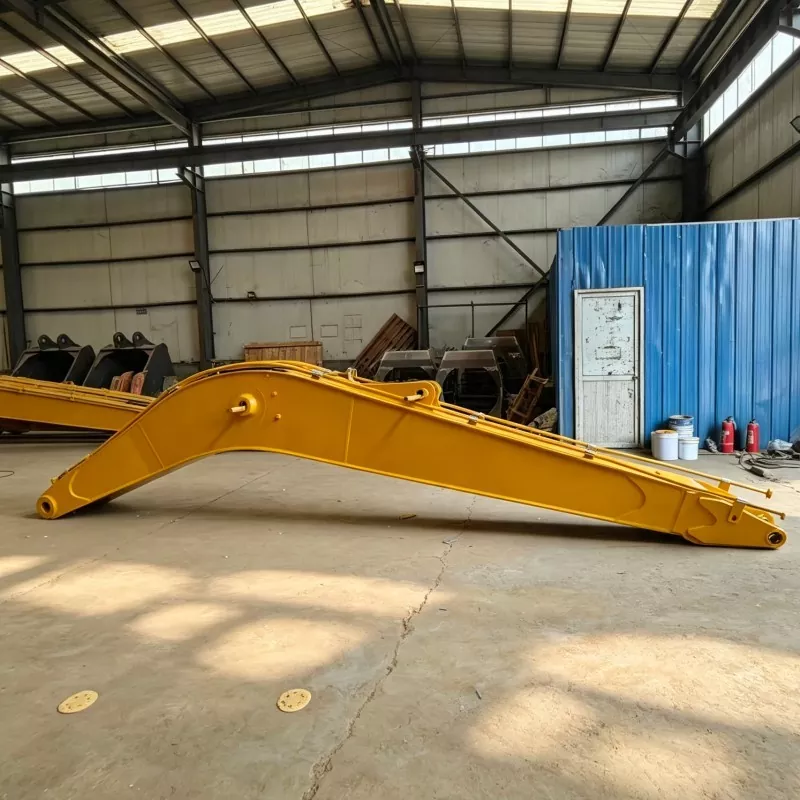
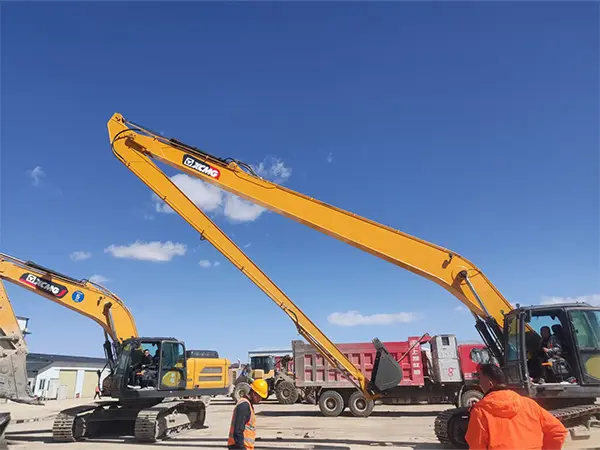
A Long Reach Excavator Arm for ZX200 is designed to extend the working envelope of a Hitachi ZX200 excavator, making it more suitable for projects that require greater digging depth and horizontal reach. From river dredging and canal cleaning to pond maintenance, slope finishing, and deep excavation, a properly engineered long reach attachment can reduce frequent machine repositioning and improve access to difficult working areas. However, selecting the right configuration requires more than simply increasing boom and arm length. Excavator compatibility, structural strength, hydraulic performance, bucket capacity, machine stability, and working conditions must all be carefully evaluated. This guide explains the essential considerations for choosing, installing, operating, and maintaining a ZX200 long reach front attachment.
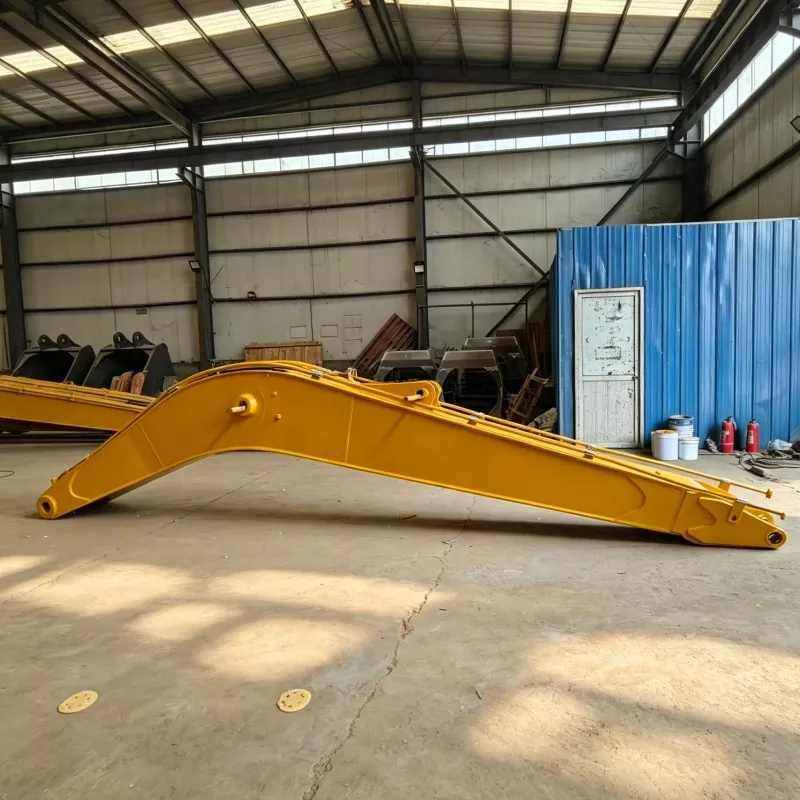
Table of Contents
- Understanding a Long Reach Excavator Arm for ZX200
- Why Choose a Long Reach Attachment for ZX200?
- Common Applications and Working Environments
- Important Specifications and Compatibility Factors
- Structural Design and Material Selection
- Hydraulic Performance and Machine Stability
- How to Select the Right Configuration
- Installation and Commissioning Considerations
- Maintenance Practices for Long-Term Performance
- Common Purchasing Mistakes to Avoid
- Why Work with Jining Xingchuang Machinery Manufacturing Co., Ltd.?
- Frequently Asked Questions
1. Understanding a Long Reach Excavator Arm for ZX200
Standard excavators are designed to handle a wide range of general construction tasks. However, their conventional boom and arm configurations may not provide sufficient working distance for projects involving deep water channels, distant excavation points, or large slopes. In these situations, a long reach attachment offers a practical equipment solution.
A Long Reach Excavator Arm for ZX200 is an extended front attachment developed for compatible Hitachi ZX200 excavator configurations. It generally consists of a specially engineered long boom and arm, together with the required hydraulic cylinders, connecting pins, linkage, hoses, and bucket arrangement.
Compared with a standard front attachment, the longer structure increases the excavator's potential horizontal reach and digging depth. This allows operators to access working areas that would otherwise require additional machine movement or alternative equipment.
What Makes a Long Reach Front Different?
- Extended working geometry: Longer boom and arm dimensions provide access to more distant and deeper working positions.
- Reinforced structural design: The attachment needs an appropriate structural configuration to withstand operating loads and repeated movement.
- Modified bucket arrangement: Bucket capacity and weight must be selected according to the extended working geometry.
- Hydraulic adaptation: Cylinder dimensions, hydraulic lines, and operating characteristics must match the attachment design.
- Stability considerations: The complete machine configuration must be evaluated for safe operation at different working positions.
It is important to understand that a long reach attachment is not simply a standard arm made longer. Its geometry, structural strength, hydraulic performance, and machine balance must be considered as one integrated system.
2. Why Choose a Long Reach Attachment for ZX200?
For contractors working on projects that require extended digging distance, replacing a standard front attachment with a suitable long reach configuration can improve access and operational flexibility.
2.1 Greater Digging Depth and Horizontal Reach
The most obvious benefit is an expanded working envelope. Operators can reach deeper excavation points and more distant areas without positioning the excavator directly beside every working location.
This is particularly useful when excavating drainage channels, maintaining riverbanks, or cleaning ponds where direct access to the excavation area may be difficult.
2.2 Reduced Machine Repositioning
Frequent repositioning consumes working time and may increase fuel consumption, especially on large sites or projects with restricted access. A properly configured long reach attachment can cover a wider area from a single operating position.
Although the actual productivity improvement depends on soil conditions, working depth, bucket size, and operator experience, reducing unnecessary machine movement can make project operations more efficient.
2.3 Better Access to Difficult Working Areas
Some excavation environments contain obstacles, soft ground, water, or restricted working spaces. An extended attachment helps operators work from a more suitable position while reaching areas that are difficult to access using conventional equipment.
2.4 Greater Equipment Versatility
A ZX200 excavator equipped with a properly matched long reach front can support various specialized construction activities. Contractors may therefore use their existing base machine for additional project requirements instead of immediately purchasing another excavator.
Practical reminder: A longer attachment does not automatically mean higher productivity. Its performance depends on the relationship between working distance, bucket capacity, material characteristics, hydraulic response, and machine stability.
3. Common Applications and Working Environments
A Long Reach Excavator Arm for ZX200 is particularly useful for projects where conventional excavator equipment cannot easily reach the required operating area.
3.1 River and Canal Dredging
River and canal maintenance often requires the removal of accumulated silt, sediment, and other deposits from areas below or beyond the normal digging range of an excavator. A long reach attachment allows the machine to access these locations from the riverbank or another suitable working platform.
3.2 Pond and Lagoon Cleaning
Industrial ponds, agricultural reservoirs, and wastewater lagoons may gradually accumulate sediment. Extended front attachments help operators remove deposits from a greater distance, reducing the need to move heavy equipment around soft or restricted ground.
3.3 Slope Finishing and Embankment Construction
Long reach equipment is useful for shaping riverbanks, drainage slopes, roadside embankments, and other inclined surfaces. Operators can maintain a more suitable machine position while reaching different sections of the slope.
3.4 Deep Foundation and Excavation Projects
Some foundation and excavation projects require greater digging depth than a standard front attachment can provide. A suitable long reach configuration can extend access to deeper areas, subject to the attachment's approved working range and load limitations.
3.5 Drainage and Waterway Maintenance
Municipal drainage systems, irrigation channels, and waterway projects often involve narrow or difficult-to-access working areas. Long reach attachments can support sediment removal, channel cleaning, and maintenance operations.
| Application | Main Requirement | Key Selection Consideration |
|---|---|---|
| River dredging | Extended reach and sediment removal | Bucket configuration and stability |
| Pond cleaning | Access to accumulated deposits | Working depth and ground conditions |
| Slope finishing | Controlled operation along inclined surfaces | Arm geometry and hydraulic response |
| Deep excavation | Greater vertical digging range | Maximum digging depth and load limits |
| Canal maintenance | Long-distance material removal | Horizontal reach and bucket suitability |
4. Important Specifications and Compatibility Factors
Before purchasing a Long Reach Excavator Arm for ZX200, buyers should confirm that the attachment is engineered for their actual excavator configuration. The model name alone is not enough to establish compatibility.
4.1 Confirm the Exact ZX200 Model
Excavator specifications can differ between production generations, regional configurations, and machine variants. Even excavators carrying the same model designation may have different mounting dimensions, hydraulic arrangements, or counterweight configurations.
Buyers should provide the manufacturer, model designation, production series, and relevant machine identification information before requesting a quotation.
4.2 Check the Main Connection Dimensions
The attachment must connect correctly to the excavator's existing mounting points. Important measurements include:
- Boom mounting pin diameter.
- Pin center-to-center distances.
- Arm and bucket linkage dimensions.
- Cylinder mounting positions.
- Connection width and bracket dimensions.
- Hydraulic hose connection requirements.
Accurate measurements help prevent installation difficulties, excessive connection clearance, and premature pin or bushing wear.
4.3 Evaluate Working Dimensions
Buyers should distinguish between maximum digging depth, maximum horizontal reach, maximum digging height, and overall attachment length. These measurements describe different operating conditions and should not be treated as interchangeable.
| Specification | What It Describes | Why It Matters |
|---|---|---|
| Overall front length | Combined dimensions of the extended front | Helps evaluate equipment configuration |
| Maximum digging depth | Deepest designed digging position | Determines suitability for deep excavation |
| Maximum horizontal reach | Farthest working distance from the machine reference point | Determines coverage area |
| Bucket capacity | Nominal volume of the selected bucket | Affects material handling and loading |
| Attachment weight | Total weight of the front assembly | Influences machine balance and load capacity |
4.4 Use Actual Machine Data Rather Than Generic Figures
Published ZX200 specifications are useful as an initial reference, but they should not replace machine-specific engineering checks. For example, Hitachi's ZX200-5G specification sheet lists different operating weights and arm configurations depending on the machine variant and track width. These figures illustrate why buyers should verify the exact base machine before selecting an extended attachment.
For additional reference, consult the Hitachi ZX200-5G technical specification sheet.
5. Structural Design and Material Selection
Structural reliability is one of the most important factors when choosing a long reach excavator attachment. Because the extended front operates at a greater distance from the machine, its structural components experience different bending moments and load conditions compared with standard equipment.
5.1 High-Strength Engineering Steel
Suitable high-strength structural steel helps provide the strength required for an extended boom and arm while allowing engineers to control overall attachment weight.
Material selection should consider:
- Yield strength and tensile properties.
- Impact resistance under expected working conditions.
- Plate thickness and structural geometry.
- Weldability and fabrication requirements.
- Resistance to fatigue under repeated loading.
The correct material grade should be selected according to the engineering design rather than relying on a steel grade name alone.
5.2 Reinforcement in High-Stress Areas
Pin connection areas, cylinder mounting brackets, boom joints, and other load-concentrated locations require particular attention. Reinforcement plates and suitable structural transitions can help distribute forces more effectively.
However, excessive reinforcement may increase attachment weight and negatively affect the machine's operating balance. The objective is to achieve an appropriate relationship between structural strength and weight.
5.3 Welding and Manufacturing Quality
Welding quality has a direct influence on the durability of the finished attachment. Consistent welding procedures, proper joint preparation, dimensional inspection, and appropriate inspection methods help reduce the risk of defects.
Manufacturers should maintain quality control throughout material preparation, cutting, machining, assembly, and final inspection. Critical welds should be inspected using suitable methods based on the engineering requirements.
5.4 Pin and Bushing Durability
Connecting pins and bushings experience repeated movement and contact pressure during operation. Correct dimensions, suitable material properties, surface treatment, lubrication, and installation tolerances are important for maintaining smooth movement and minimizing wear.
6. Hydraulic Performance and Machine Stability
A long reach attachment must work with the excavator's hydraulic system and overall machine configuration. Even a structurally strong attachment may perform poorly if its cylinder arrangement, hydraulic flow, or operating characteristics are unsuitable.
6.1 Hydraulic Cylinder Matching
Boom and arm cylinders must provide the required movement throughout the attachment's working range. Cylinder stroke, mounting geometry, bore diameter, and operating pressure should be checked against the intended configuration.
Using an existing cylinder should only be considered when its dimensions, performance, and mounting arrangement have been verified by the responsible engineering team.
6.2 Hydraulic Hose Routing
Extended front attachments require suitable hydraulic hose lengths and routing arrangements. Hoses should be protected against abrasion, excessive bending, twisting, and contact with moving structural components.
Connections should also be inspected for leakage and pressure-related damage during commissioning and routine maintenance.
6.3 Smooth and Controlled Operation
Longer front attachments can respond differently from standard excavator configurations. Their increased working distance makes controlled movement particularly important.
Hydraulic flow characteristics and operating settings should be evaluated to support smooth combined movements and reduce unnecessary shock loads. Any required adjustments must follow the attachment and machine manufacturer's technical guidance.
6.4 Maintaining Machine Stability
Machine stability deserves special attention because extending the working front changes the load distribution. Attachment weight, bucket weight, material density, working radius, counterweight configuration, and ground conditions all influence the overall operating condition.
Important safety point: Never assume that a ZX200 can safely handle the same bucket load at every working distance. Follow the approved configuration and load limitations. Additional counterweight should only be installed when specified by the responsible engineering design.
Operators should work on suitable ground, avoid sudden movements, maintain a safe working radius, and never exceed the attachment's rated operating limitations. Deep-water and soft-ground operations may require additional site-specific stability assessments.
7. How to Select the Right Configuration
Choosing the correct long reach attachment starts with understanding the project rather than selecting the longest available configuration. A well-matched system should meet the required working range while maintaining suitable structural and operational performance.
Step 1: Define the Project Requirements
Identify the main application, such as river dredging, pond cleaning, slope finishing, or deep excavation. Determine the required digging depth, horizontal reach, working frequency, and material characteristics.
Step 2: Confirm Excavator Compatibility
Provide the exact ZX200 model and connection measurements. If available, share machine drawings, existing boom and arm dimensions, and photographs of the mounting points.
Step 3: Determine the Appropriate Bucket
Bucket selection should consider the material being handled, its density, the required digging action, and the attachment's approved operating range.
A smaller, lighter bucket may be necessary for certain long reach configurations because the increased distance creates greater loading demands on the machine.
Step 4: Review the Structural Configuration
Ask the manufacturer about the proposed steel materials, reinforcement design, welding procedures, attachment weight, and inspection arrangements. These details help buyers understand how the attachment is designed for the intended application.
Step 5: Confirm the Hydraulic Arrangement
Review cylinder compatibility, hydraulic line requirements, connection positions, and operating characteristics. Any modification to the original hydraulic system should be assessed by qualified technical personnel.
Step 6: Request Technical Drawings Before Production
Confirm critical dimensions and the proposed attachment configuration before manufacturing begins. Reviewing drawings in advance helps reduce misunderstandings and avoid unnecessary modifications after delivery.
Purchasing checklist:
- Exact Hitachi ZX200 model and series.
- Required maximum working depth and horizontal reach.
- Existing mounting dimensions and pin specifications.
- Preferred bucket type and capacity.
- Hydraulic cylinder and hose requirements.
- Machine counterweight and stability requirements.
- Attachment weight and transport dimensions.
- Manufacturing, inspection, and after-sales arrangements.
8. Installation and Commissioning Considerations
Correct installation is essential for achieving reliable performance. A long reach attachment should be installed according to the manufacturer's instructions and by personnel with appropriate mechanical and hydraulic experience.
8.1 Prepare the Machine and Working Area
Before installation, park the excavator on firm, level ground and follow the machine manufacturer's procedures for shutdown, pressure release, and securing moving components.
8.2 Inspect Connection Components
Check pins, bushings, retaining devices, mounting brackets, and contact surfaces before assembly. Confirm that the supplied components match the approved technical drawings.
8.3 Connect the Hydraulic System
Hydraulic connections should be clean, correctly identified, and installed according to the specified routing arrangement. The system should be checked for leakage and abnormal pressure conditions before normal operation.
8.4 Conduct a Controlled Functional Test
After installation, test the attachment through its permitted movement range under controlled conditions. Observe cylinder operation, pin movement, hose clearance, structural behavior, and any unusual noise or vibration.
8.5 Train Operators on the New Configuration
Operators familiar with a standard ZX200 front attachment should receive appropriate guidance before using a long reach configuration. They need to understand its working envelope, load restrictions, movement characteristics, and stability limitations.
9. Maintenance Practices for Long-Term Performance
Regular inspection and maintenance help protect the investment in a Long Reach Excavator Arm for ZX200. Extended attachments operate under demanding conditions, making early detection of wear and damage especially important.
| Component | Recommended Inspection | Maintenance Focus |
|---|---|---|
| Connecting pins | Check for abnormal wear and movement | Lubrication and replacement when necessary |
| Bushings | Inspect clearance and surface condition | Prevent excessive joint wear |
| Welded joints | Look for cracks or visible deformation | Timely professional inspection and repair |
| Hydraulic hoses | Check leakage, abrasion, and bending | Replace damaged hoses promptly |
| Cylinders | Inspect rods, seals, and movement | Maintain hydraulic sealing performance |
| Bucket and teeth | Check wear and connection condition | Replace worn components when required |
Daily Inspection
- Check the attachment for visible cracks or deformation.
- Inspect hydraulic hoses and connections for leakage.
- Verify that pins and retaining devices are correctly installed.
- Check lubrication points and follow the recommended schedule.
- Observe unusual vibration or movement during operation.
Periodic Maintenance
Periodic inspections should cover structural joints, cylinder mounting points, pins, bushings, and hydraulic components. Maintenance intervals should follow the equipment manufacturer's recommendations and may need adjustment according to working intensity and environmental conditions.
After working in muddy, sandy, or corrosive environments, additional cleaning and inspection may be necessary. Any suspected structural crack or serious deformation should be assessed by qualified personnel before the attachment returns to service.
10. Common Purchasing Mistakes to Avoid
Buyers sometimes focus too heavily on attachment length or initial purchase price. However, several other factors determine whether a long reach attachment will perform reliably throughout its service life.
Mistake 1: Choosing by Excavator Model Alone
Two machines carrying the ZX200 designation may have different configurations. Always confirm the exact machine series and connection measurements.
Mistake 2: Assuming Longer Is Always Better
An unnecessarily long attachment may introduce additional weight and structural demands without providing meaningful benefits for the project. Choose dimensions based on actual working requirements.
Mistake 3: Ignoring Bucket Weight and Capacity
A bucket that is too large or heavy can negatively affect the machine's operating balance. Bucket selection must be considered together with the attachment geometry and machine limitations.
Mistake 4: Overlooking Hydraulic Compatibility
Incorrect cylinder specifications or unsuitable hose arrangements may cause installation difficulties and poor operating performance. Confirm the complete hydraulic configuration before production.
Mistake 5: Focusing Only on the Lowest Quotation
A low initial price may not reflect the quality of materials, engineering design, welding, inspection, or after-sales service. Compare the complete technical proposal rather than evaluating price alone.
Mistake 6: Not Confirming Transportation Requirements
Extended attachments may require special transport arrangements depending on their overall dimensions and weight. Buyers should confirm shipping measurements, packaging, loading arrangements, and destination requirements before ordering.
11. Why Work with Jining Xingchuang Machinery Manufacturing Co., Ltd.?
Selecting an experienced manufacturer is an important part of purchasing a long reach excavator attachment. Buyers need a supplier that understands equipment compatibility, structural fabrication, project-specific requirements, and the practical challenges of international procurement.
Jining Xingchuang Machinery Manufacturing Co., Ltd. focuses on excavator attachments and customized machinery solutions for construction and earthmoving applications. Its product range includes long reach excavator boom and arm assemblies designed for different excavator models and working requirements.
Customized Solutions for Different Excavator Models
Different projects require different working dimensions and attachment configurations. Customized solutions can be developed according to excavator tonnage, machine model, required digging depth, working distance, bucket requirements, and site conditions.
Attention to Structural Manufacturing
Reliable long reach attachments require careful consideration of material selection, structural processing, welding quality, connection dimensions, and final assembly. Manufacturing quality control helps ensure that the finished product corresponds with the approved design.
Support for OEM and ODM Requirements
For distributors, equipment dealers, contractors, and machinery businesses, customized manufacturing can help address different market requirements. OEM and ODM cooperation can cover product dimensions, structural configurations, connection arrangements, and other project-specific requirements.
Technical Communication Before Ordering
Clear communication is essential when purchasing specialized excavator attachments. Providing machine information, project requirements, and technical drawings helps the manufacturer evaluate the appropriate configuration and prepare a more accurate proposal.
Whether your project involves river dredging, canal cleaning, pond maintenance, or deep excavation, discussing the actual working conditions before production can help you identify a suitable long reach solution.
12. Frequently Asked Questions
Q1. What is a Long Reach Excavator Arm for ZX200 used for?
It is designed to extend the working range of a compatible Hitachi ZX200 excavator. Typical applications include river dredging, canal cleaning, pond maintenance, slope finishing, and selected deep excavation projects.
Q2. Is a long reach arm compatible with every Hitachi ZX200 excavator?
Not automatically. Compatibility depends on the exact machine generation, mounting dimensions, hydraulic arrangement, attachment weight, and other configuration details. Buyers should provide their excavator model and relevant technical measurements for verification.
Q3. How deep can a ZX200 long reach excavator arm dig?
Maximum digging depth depends on the boom and arm dimensions, bucket geometry, and complete attachment configuration. There is no single universal digging-depth figure for all ZX200 long reach attachments. Request an engineering drawing and working-range specification for the proposed configuration.
Q4. Can the original ZX200 hydraulic cylinders be reused?
In some configurations, existing cylinders may be considered, but reuse should never be assumed. Cylinder stroke, bore, mounting positions, pressure requirements, and operating geometry must be checked by qualified technical personnel before installation.
Q5. Does a long reach attachment require an additional counterweight?
Some configurations may require an additional or specially specified counterweight to maintain the designed machine balance. The requirement depends on attachment weight, geometry, bucket configuration, and the base excavator. Always follow the approved engineering specifications.
Q6. What bucket is suitable for a ZX200 long reach attachment?
The appropriate bucket depends on the working material and application. Dredging projects may require a suitable ditch-cleaning or dredging bucket, while other excavation tasks may need a different configuration. Bucket weight and capacity must remain within the approved operating limitations.
Q7. What information should I provide when requesting a quotation?
Prepare the excavator model and series, machine identification details, required working depth, horizontal reach, bucket requirements, mounting dimensions, hydraulic information, and project application. Photos or technical drawings can also help the manufacturer assess compatibility.
Q8. How long does it take to manufacture a customized long reach attachment?
Production time depends on the design complexity, material availability, manufacturing schedule, and customization requirements. The manufacturer should confirm the estimated lead time after reviewing the technical specifications and order details.
Q9. How can I extend the service life of a ZX200 long reach arm?
Follow the recommended lubrication schedule, inspect pins and bushings, monitor hydraulic hoses, check welded areas, avoid excessive loading, and operate within the approved working range. Promptly address abnormal wear, leakage, or structural damage.
Q10. Can Jining Xingchuang Machinery Manufacturing Co., Ltd. provide customized long reach solutions?
Jining Xingchuang Machinery Manufacturing Co., Ltd. provides customized excavator attachment solutions according to machine models and project requirements. Buyers can share their excavator information, working dimensions, and application details to discuss a suitable long reach boom and arm configuration.
Looking for a Reliable Long Reach Excavator Arm for ZX200?
The right long reach attachment can expand your excavator's working capabilities and help you handle demanding projects more efficiently. However, successful equipment selection starts with accurate compatibility checks, suitable structural design, and a clear understanding of actual working conditions.
Jining Xingchuang Machinery Manufacturing Co., Ltd. is ready to discuss your excavator attachment requirements and provide customized solutions for different construction applications.
Whether you need a long reach excavator arm for ZX200, a customized boom and arm assembly, or technical support for a special project, our team can help you explore the right configuration.
Contact us today with your excavator model, project requirements, and desired working dimensions to request product information and a customized quotation.
Related News
- How Does the Right Excavator Construction Bucket Improve Productivity on Construction Sites?
- What Makes an Excavator Hydraulic Rotary Screen Essential for Efficient Material Processing?
- How Can Excavator Rippers Improve Hard Ground Excavation Efficiency and Project Performance?
- How Does XINGCHUANG’s Heavy Duty Soil Ripper for Excavators Improve Tough Ground Excavation Efficiency?
- How Does an Excavator Long Reach Arm Improve Excavation Performance?
- How Can a Single Shank Rock Ripper Improve Excavation in Hard Ground Conditions?
Leave me a message
New Products
News Recommendations